
Forest red gum
Eucalyptus tereticornis Sm.
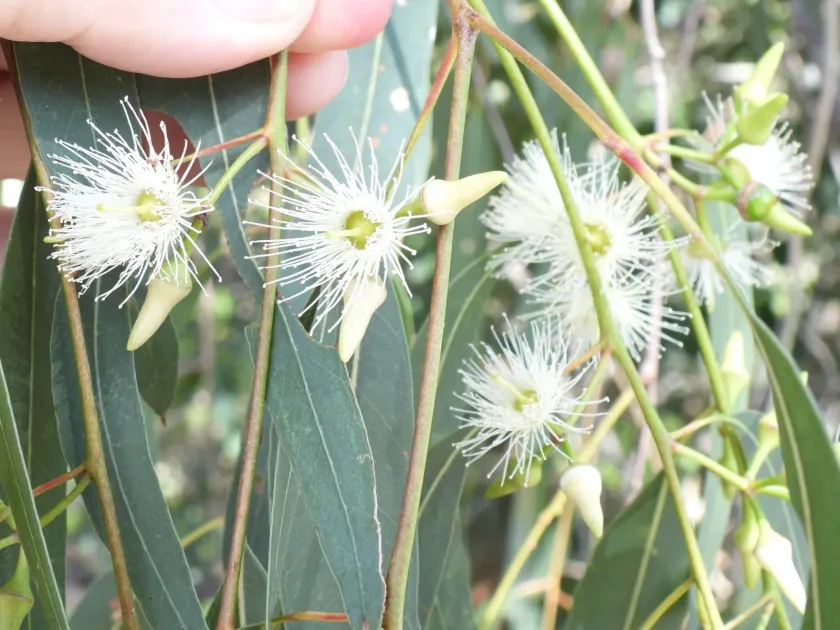
Description
Sowing dates
Eucalyptus tereticornis belongs to the Myrtaceae family and is one of the most widely distributed forest-forming species in tropical and subtropical regions. In commercial forestry, it is propagated in nurseries where seeds often require stratification to enhance germination vigor.
The optimal time for sowing seeds into trays or containers is early spring, when stable warm weather begins. Seedlings are transplanted to their permanent site in the open field once they reach a height of 30–40 centimeters.
Planting density depends on the purpose of the plantation: for high-quality timber production, a 3x3 or 4x4 meter scheme is typically used. For windbreaks, row spacing may be increased to allow for greater canopy development.
The root system of young saplings is highly sensitive to desiccation, necessitating regular watering during the first months after transplanting. Mulching around the base of the trees helps retain soil moisture and suppresses weed growth.
A crucial step in the cultivation process is hardening off the seedlings before field planting. This process reduces transplant shock and significantly improves survival rates across various soil and climatic conditions.
Growing requirements
This species is highly photophilous and requires open sites without shading. In low-light conditions, saplings become etiolated and stems turn brittle, which negatively impacts the quality of the timber produced.
Eucalyptus tereticornis thrives in deep, well-drained alluvial soils. While the plant can tolerate temporary waterlogging, stagnant water in the root zone may increase susceptibility to fungal infections.
Optimal temperatures for active growth range from +20 to +30 degrees Celsius. The species exhibits moderate resistance to short-term frosts, but prolonged periods of low temperatures can be fatal.
The species has moderate soil acidity requirements, performing well in slightly acidic to neutral substrates. Nitrogen-rich mineral fertilization during the first year of growth significantly accelerates biomass accumulation.
Drought tolerance is a hallmark characteristic of this tree. Thanks to a deep taproot system, the eucalyptus can access water from deep soil layers, making it an excellent candidate for reforesting degraded lands.
Yield
Eucalyptus tereticornis is utilized for timber production, the pulp and paper industry, and the extraction of essential oils. It is one of the fastest-growing tree species globally, highly suitable for commercial silviculture.
With intensive management, timber yields per hectare can reach significant volumes within 10–12 years of planting. The wood is recognized for its high density, durability, and natural resistance to decay.
- Production of lumber for construction and furniture making.
- Extraction of high-quality pulp for the paper and packaging industry.
- Utilization of biomass as a renewable energy resource.
- Production of essential oils from leaves rich in cineole.
Plantation productivity is directly linked to adherence to agronomic standards and the quality of planting stock. The use of selected clones can increase biomass growth by up to 20% compared to seed-grown trees.
Beyond timber, the species is valued as a honey plant, providing abundant nectar for bees during dry seasons. The honey produced has a distinct aroma and notable antiseptic properties.
Main diseases and pests
Leaf-eating insects, particularly weevils and various caterpillar species, pose the primary threat to young plantations. Defoliation reduces photosynthetic capacity and weakens the overall health of the tree.
Fungal infections such as leaf spot thrive in environments with high air humidity and poor air circulation. Systemic fungicides are applied during active growth periods to manage these pathogens.
Root rot becomes a serious threat when the site has a high water table or poor soil drainage. Prevention involves proper site selection and ensuring adequate drainage before plantation establishment.
Young saplings may be damaged by hares or rodents stripping the bark. The use of protective mesh or repellents is essential during the first two to three years to ensure the survival of the forest stock.
Invasive pests, such as the eucalyptus snout beetle, require constant phytosanitary monitoring. Timely removal and destruction of infested trees prevent the spread of infestations throughout the plantation.