
Eucalyptus smithii
Eucalyptus smithii R. T. Baker
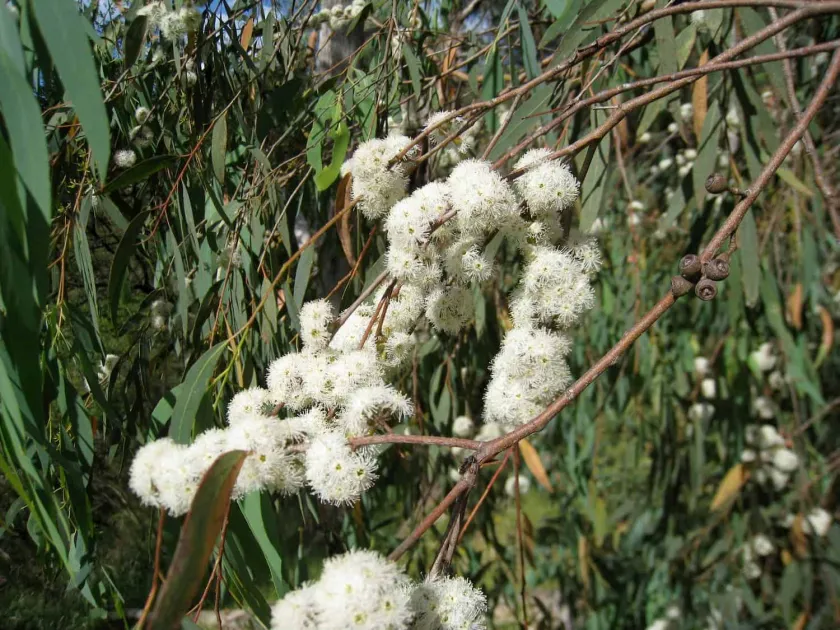
Description
Sowing dates
Eucalyptus smithii, belonging to the Myrtaceae family, is a fast-growing tree species highly valued for its aromatic properties.
Propagation typically begins in professional nurseries using seeds sown in controlled environmental conditions to maximize germination rates.
Seedlings are transferred to the field once they reach a sufficient height, usually after the risk of frost has passed in the spring.
Proper spacing between trees is critical, typically set to ensure adequate airflow and sunlight penetration for each individual plant.
Initial establishment requires consistent moisture to encourage deep root development, which is essential for long-term growth.
Growing requirements
This species is native to specific regions of Australia and requires a climate characterized by mild winters and moderate humidity levels.
Soil quality is paramount; the tree prefers well-drained, fertile, deep loamy soils with optimal nutrient availability.
While tolerant of some environmental stress, it thrives best in areas with regular rainfall or managed irrigation systems.
Eucalyptus smithii demands full sun exposure to maintain its metabolic functions and high production of secondary metabolites.
Agricultural management includes regular soil monitoring and the application of fertilizers to support rapid biomass production.
Yield
The primary economic focus for this crop is the extraction of high-grade essential oil, known for its high cineole content.
Biomass production is highly efficient, making it a sustainable choice for forestry and agro-industrial applications.
The timber obtained from this eucalyptus species is utilized in the paper and pulp industry, contributing to its commercial viability.
Sustainable harvesting techniques, such as coppicing, allow for repeated biomass collection from the same rootstock over many years.
High yields of leaves are harvested periodically to maintain a steady supply for distillation facilities.
Main diseases and pests
Common pests include various defoliating insects and sap-sucking organisms that can stunt plant growth if not managed.
Fungal pathogens can pose a threat, particularly in environments with poor soil drainage or excessive stagnant humidity.
Root system issues are often linked to improper irrigation practices or soil compaction, requiring careful agricultural oversight.
Integrated pest management strategies are recommended to mitigate the impact of local insects and minimize chemical use.
Regular field inspections are essential for early detection of potential outbreaks that could affect the health of the entire plantation.