
Eucalyptus saligna
Eucalyptus saligna Sm.
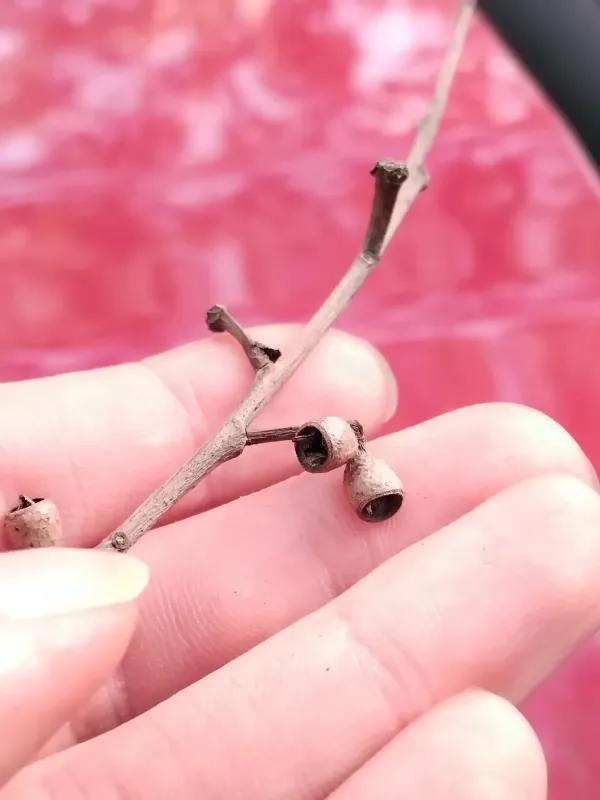
Description
Sowing dates
Eucalyptus saligna, commonly known as Sydney blue gum, is a prominent species in the Myrtaceae family, valued for its rapid growth and high-quality timber.
Seeds are typically sown in specialized nurseries under controlled conditions, utilizing light, well-draining soil mixes to ensure high germination rates.
Seedlings are nurtured for several months before being transplanted to the field, usually during the onset of the rainy season for optimal survival.
It is essential to maintain consistent moisture and provide adequate spacing in nursery beds to prevent overcrowding and the development of spindly plants.
Field planting requires systematic preparation of the soil, ensuring that the young saplings are protected from competing weeds during their critical establishment phase.
Growing requirements
This species thrives in subtropical climates that provide moderate temperatures and significant annual rainfall to support its intense growth cycle.
It prefers deep, fertile, and well-drained soils, ideally ranging from loamy to sandy textures, while avoiding sites with waterlogging issues.
Light intensity is a critical factor; Eucalyptus saligna is highly photophilic and requires full sun exposure throughout the day to achieve its genetic potential.
Site selection should also consider wind exposure, as young trees may be susceptible to stem damage until their root systems become sufficiently established.
Regular monitoring of soil pH is recommended, as the tree performs best in slightly acidic to neutral soil environments, which facilitates nutrient uptake.
Yield
The yield potential of Eucalyptus saligna is among the highest in the genus, making it a preferred choice for large-scale timber plantations worldwide.
Commercial plantations are managed on rotation cycles, providing a consistent supply of logs for both the construction and furniture-making industries.
- High-density construction timber.
- Pulpwood for high-quality paper production.
- Sustainable biomass for renewable energy.
The wood is dense, durable, and naturally resistant to many environmental factors, which contributes to its market value and broad application range.
Efficient silvicultural practices, such as thinning and pruning, are employed to maximize the volume and quality of clear wood produced per hectare.
Main diseases and pests
Pathogenic threats include leaf spot and various fungal infections, which are often aggravated by high humidity and poor plantation hygiene.
Pest populations, particularly leaf-eating insects and wood-boring beetles, can cause significant damage if left unchecked, impacting overall vigor.
Integrated pest management strategies are crucial, focusing on biological controls and the judicious use of pesticides to protect the tree population.
Preventative maintenance involves removing debris and maintaining optimal tree spacing to improve airflow and reduce the humidity levels that favor fungus.
Continuous monitoring programs are established to detect early warning signs of infestations, allowing for rapid containment and targeted interventions.