
Flooded gum
Eucalyptus rudis Endl.
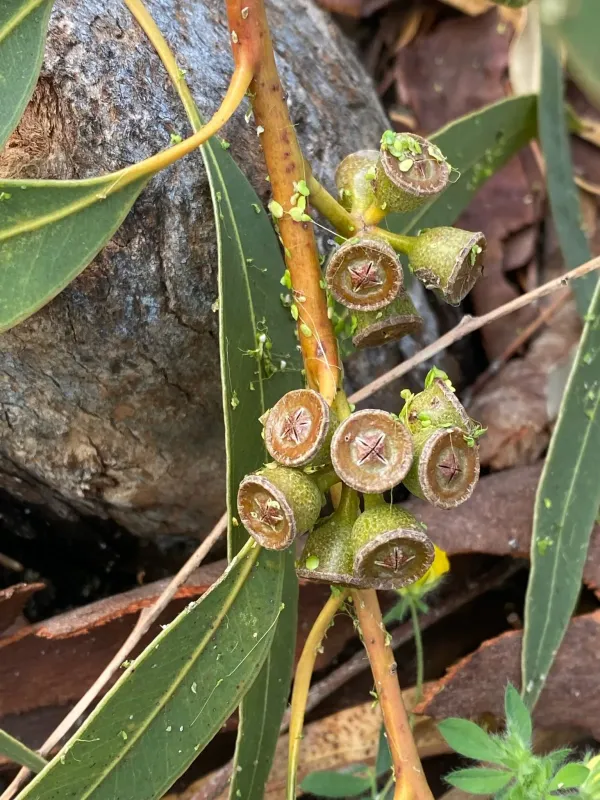
Description
Sowing dates
Eucalyptus rudis Endl., a member of the Myrtaceae family, is typically propagated from seed in nursery environments to ensure high germination rates.
The sowing process is best initiated in early spring, utilizing well-draining seed-starting mixes to prevent damping-off diseases during the initial growth phase.
Seeds benefit significantly from a period of cold stratification before sowing, which mimics the natural dormancy cycle and increases uniformity in sprouting.
Seedlings are ready for transplanting into the field once they develop a robust root system and reach a height of approximately 20 to 30 centimeters.
Strategic planting should account for the tree's eventual size, ensuring adequate spacing for canopy development and optimal air circulation.
Growing requirements
Native to Western Australia, the Flooded gum is well-adapted to Mediterranean-type climates characterized by distinct wet winters and dry summers.
It is highly regarded for its soil tolerance, thriving in heavy clay soils, seasonally waterlogged sites, and soils with varying levels of salinity.
Full sun exposure is a critical requirement for this species; even partial shade can lead to stunted growth and reduced vigor in young trees.
While mature trees are notoriously drought-tolerant, young plantations require consistent irrigation to establish deep root systems during their first year.
The species prefers mild temperatures but exhibits a surprising degree of resilience to minor frost events once the wood has hardened.
Main diseases and pests
The Flooded gum can be susceptible to various insect pests, including leaf beetles (Chrysomelidae), which can cause significant defoliation.
Fungal pathogens such as leaf spots or cankers may develop under conditions of poor drainage or excessive humidity, requiring careful site management.
Root rot, particularly Phytophthora species, poses a threat in poorly drained soils, making site selection and soil preparation vital.
Scale insects and wood-boring beetles can also attack stressed trees, potentially leading to limb dieback or overall decline in tree health.
Integrated pest management, including monitoring and maintaining tree vigor through proper site selection, is the most effective defense.
Harvesting
The primary agricultural and industrial use of Eucalyptus rudis is for timber production, which is utilized for posts, poles, and general construction.
Harvesting cycles are generally planned based on the intended end-product, with pulpwood harvests occurring earlier than timber for structural use.
The species is also highly valued in agroforestry for its ability to serve as a windbreak and its effectiveness in lowering water tables in saline soils.
Biomass production for renewable energy is an increasing interest, as the tree exhibits rapid growth and high carbon sequestration potential.
Since the tree resprouts vigorously from the stump after cutting, subsequent harvests are possible without the need for replanting, ensuring long-term sustainability.