
Eucalyptus paniculata
Eucalyptus paniculata Sm.
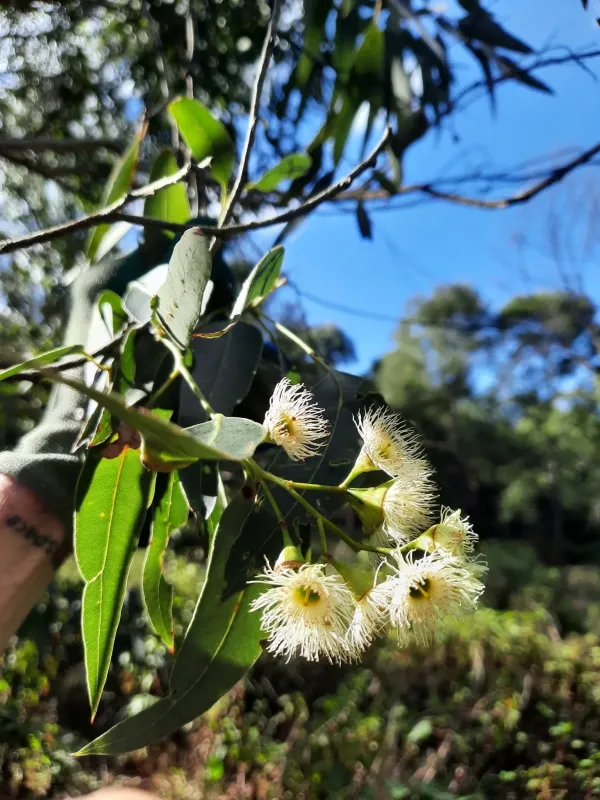
Description
Sowing dates
The propagation of Eucalyptus paniculata is typically achieved through seed sowing in a controlled nursery environment. The process should ideally begin in early spring to leverage the increasing day length, which is crucial for optimal germination rates.
Seeds require a fine-textured, well-draining potting mix. They should be sown thinly on the surface, as they need light to germinate. Maintaining a consistent moisture level is vital, often requiring the use of a fine misting system to prevent the drying of the delicate seeds.
Germination usually occurs within 2 to 4 weeks depending on temperature, which should be kept between 20°C and 25°C. Once the seedlings develop their first true leaves, they should be carefully pricked out into individual containers to allow for root development.
Hardening off the seedlings is an essential step before transplanting to the field. This involves gradually exposing the young trees to outdoor conditions over a two-week period to ensure they can withstand environmental stresses.
Planting in the field is best performed during the onset of the rainy season to allow the root systems to establish before any dry period. Proper spacing is critical to allow for canopy development and minimize competition for resources.
Growing requirements
Eucalyptus paniculata, commonly known as Grey Ironbark, is a majestic tree belonging to the Myrtaceae family. It is native to eastern Australia and thrives in warm, temperate climates that are generally free from extreme frost.
This species has high light requirements; it is a sun-loving plant that performs poorly in shaded areas. To achieve straight, vigorous growth, it needs full sun exposure throughout the day, which helps in the development of a balanced crown.
Soil preferences include deep, fertile, and well-drained loams. While the species is somewhat adaptable, it performs best when the soil is not prone to waterlogging, as the root system is highly sensitive to hypoxic conditions caused by excess moisture.
Despite being known for its drought tolerance once established, the species benefits significantly from adequate rainfall or supplemental irrigation during its growth phase. This ensures rapid biomass accumulation and higher timber quality.
Fertilization with a balanced NPK fertilizer in the early stages of growth can significantly improve the height and diameter development of the trees, setting the stage for a productive plantation cycle.
Yield
The primary economic output of Eucalyptus paniculata is its exceptionally high-quality timber. The wood is renowned for its high density, hardness, and natural durability, making it highly resistant to rot, termites, and other wood-destroying pests.
Due to its superior structural properties, the timber is a preferred choice for heavy construction, railway sleepers, power poles, and bridge building. It is consistently ranked among the strongest and most reliable timbers in its native range.
Plantation yields are highly dependent on silvicultural management, including weed control and thinning schedules. When managed correctly, the species can produce high volumes of clear, straight logs suitable for high-value industrial markets.
Secondary uses include the distillation of essential oils from the foliage, which are used in various medicinal and industrial applications. This adds to the overall economic viability of Eucalyptus paniculata operations.
The rotation age typically ranges from 25 to 40 years, depending on the target timber product and site quality. Faster rotation periods are possible in high-rainfall regions with intensive management practices.
Main diseases and pests
Fungal diseases are a primary concern for Eucalyptus paniculata, especially in humid environments with poor air circulation. Leaf spot and rust fungi can affect growth if not monitored and treated with appropriate fungicides.
Pests such as leaf-eating beetles and psyllids can cause significant damage to young seedlings and saplings. Integrated pest management strategies, involving biological control agents and targeted applications, are often used to maintain tree health.
Root rot, often caused by the pathogen Phytophthora, can be a major issue in poorly drained soils. Maintaining proper site drainage and using certified disease-free nursery stock are the most effective preventive measures.
Wood-boring insects may damage the trunks of mature trees, reducing the value of the timber. Regular health checks and the removal of severely infested trees are essential to prevent the spread of such pests throughout the plantation.
Ensuring the overall vigor of the plantation through correct site selection and proper spacing is the best defense against both diseases and insect pests, reducing the need for chemical intervention.