
Eucalyptus occidentalis
Eucalyptus occidentalis Endl.
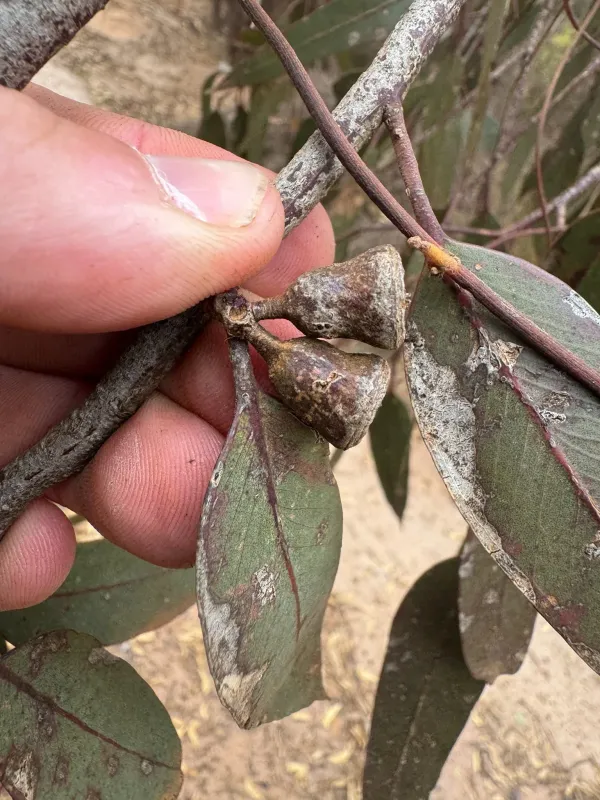
Description
Sowing dates
Sowing seeds of Eucalyptus occidentalis in industrial settings is typically conducted in nurseries during late winter or early spring to ensure seedlings are robust before field transplanting.
The seeds exhibit high viability, though stratification is often recommended to maximize germination rates. Consistent temperatures between 20 and 25 degrees Celsius are ideal for successful emergence.
The growing medium should be sterilized and enriched with a balanced micronutrient profile. Good drainage is paramount, as waterlogging is a primary cause of seedling mortality in eucalyptus nurseries.
Seedlings are transferred to the plantation site when they reach a height of approximately 25–30 centimeters. Planting during the onset of the rainy season significantly improves field survival rates.
Planting density varies based on intended end-use, ranging from 1,500 to 2,500 trees per hectare to optimize biomass production and timber quality.
Growing requirements
Eucalyptus occidentalis, a member of the Myrtaceae family, is a heat-loving species native to the southwestern regions of Australia, perfectly adapted to Mediterranean-type climates.
This species is remarkably versatile regarding soil conditions and can thrive in saline, clay-heavy, or calcareous soils, making it an excellent candidate for land reclamation projects.
The tree possesses high drought tolerance, allowing it to perform well in areas with restricted seasonal rainfall. However, supplemental irrigation is vital during the initial establishment phase.
Full solar exposure is necessary for healthy development and rapid biomass accumulation. Shading often results in stunted growth and structural deviations in the main trunk.
While the tree can tolerate light frosts, prolonged cold temperatures may cause canopy damage and a temporary reduction in metabolic growth rates.
Yield
Eucalyptus occidentalis is highly valued for its rapid growth rate, which ensures high forest productivity. Under favorable conditions, annual wood volume increment is notably high.
Its timber is dense, strong, and highly durable, making it suitable for heavy construction, utility poles, and the pulp and paper industry.
The foliage is rich in essential oils that are extracted for pharmaceutical and aromatic applications, providing an additional revenue stream from the same plantation.
Harvest rotations are typically managed on a 15 to 20-year cycle, depending on desired log diameters and the specific site's soil fertility levels.
Active plantation management, such as timely thinning and weeding, is critical for maximizing the economic yield of high-quality industrial timber.
Main diseases and pests
Fungal root pathogens represent the most significant threat to young plantations, particularly in waterlogged sites. Proper soil drainage management is the primary preventative strategy.
Leaf-eating beetles and specific caterpillar species can cause defoliation if populations remain unchecked. Integrated pest management, including biological control, is recommended for large-scale operations.
Termites may pose a risk to the structural integrity of the wood if trees are already stressed by poor environmental conditions. Continuous monitoring is essential for early detection.
Improper agronomic practices, specifically excessive application of nitrogen fertilizers, can increase susceptibility to secondary pests by producing soft, nutrient-rich vegetative growth.
Maintaining biological diversity by incorporating buffer zones and mixed-species planting can help suppress the spread of specialized pathogens and improve overall plantation resilience.