
Eucalyptus moluccana
Eucalyptus moluccana Roxb.
Description
Growing requirements
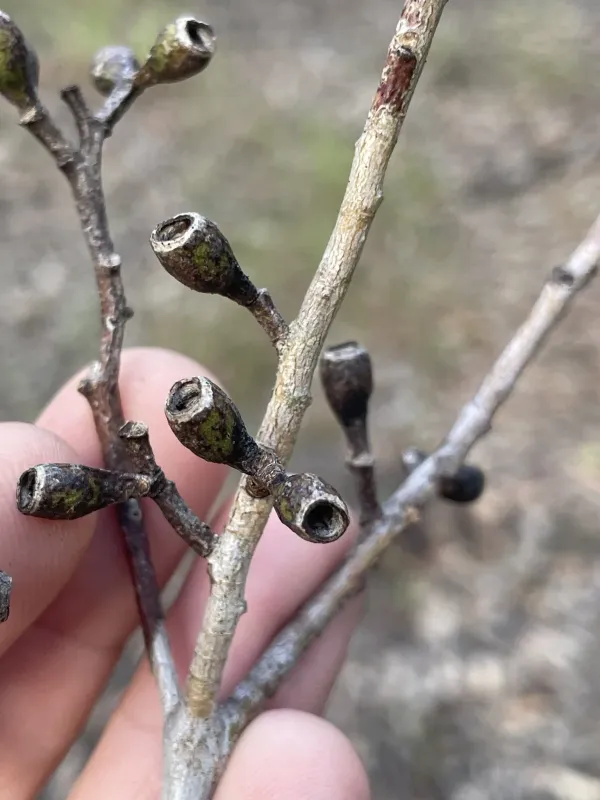
Eucalyptus moluccana, commonly known as the Grey Box, belongs to the Myrtaceae family. This evergreen species is native to eastern Australia, where it is highly valued for its robust growth and the quality of its timber. It is characterized by a straight trunk and a dense canopy, making it an excellent candidate for large-scale silviculture in suitable regions.
Climatic requirements for this species focus on a need for warm to moderate temperatures and high light exposure. Eucalyptus moluccana thrives in regions where direct sunlight is abundant, as it significantly enhances the photosynthetic rate and overall wood density. While it exhibits some tolerance to periods of dry weather, consistent moisture is necessary to maximize yield.
Soil preferences are a key component of successful cultivation. The tree thrives on deep, fertile soils that provide excellent drainage. While it can adapt to various soil types, avoid waterlogged areas, as these promote root diseases and severely inhibit growth. Neutral to slightly acidic soil pH is generally preferred for optimal nutrient uptake.
Agrotechnical management primarily involves site preparation and weed control. During the establishment phase, it is vital to keep the area around the saplings free from competing grasses and woody weeds. Regular monitoring for nutrient deficiencies or moisture stress will ensure that the plantation reaches its commercial harvest stage efficiently.
The primary economic value of this culture is its high-quality timber. The wood is exceptionally hard, dense, and naturally resistant to termites and decay, making it ideal for structural applications. It is frequently used for utility poles, railway sleepers, flooring, and heavy-duty construction projects in various global markets.
Main diseases and pests
Disease management is essential for long-term plantation health. Common issues include fungal leaf spots and root pathogens triggered by excessive moisture or poor site drainage. Furthermore, insect pests such as lerps and wood-boring beetles can cause significant damage, necessitating integrated pest management strategies to protect the canopy and wood quality.