
Eucalyptus mannifera
Eucalyptus mannifera Mudie
Description
Sowing dates
The propagation of Eucalyptus mannifera is typically performed by seeds sown in early spring under controlled greenhouse conditions. Using a well-draining, sterile substrate helps prevent damping-off, which is a common issue for eucalyptus seedlings.
Seeds are sown on the surface and require light to germinate, as they are very fine. Providing consistent moisture and high humidity levels during the initial germination phase is essential for achieving a high success rate in seedling development.
Once seedlings reach a height of approximately 5–10 cm, they are transferred to larger containers to encourage root development. This stage is critical for building the vigor required for transplanting into permanent field locations later in the season.
Hardening off the seedlings is an essential process that involves gradually exposing them to outdoor environmental conditions before final planting. This minimizes transplant shock and improves the tree's overall resilience to wind and temperature fluctuations.
Planting depth should be consistent with the root ball level to ensure proper stability and growth. Providing a light protective cover during the first month after planting helps maintain the necessary soil moisture levels for successful establishment.
Growing requirements
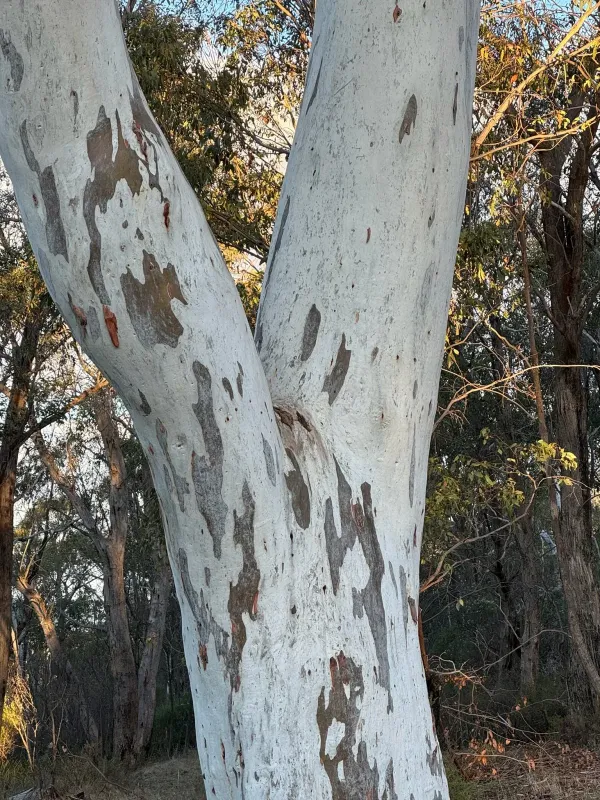
Eucalyptus mannifera, commonly known as the Brittle Gum, is a member of the Myrtaceae family. Native to the tablelands of New South Wales in Australia, this species is highly valued for its striking white-to-pinkish bark, which peels away in long ribbons to reveal a smooth surface underneath.
The tree thrives in full sun and requires well-drained, sandy or loamy soil to flourish. It demonstrates a remarkable ability to adapt to various soil conditions, including those that are relatively infertile, provided that the soil structure allows for good drainage.
Climate-wise, it prefers mild to warm conditions and is considered one of the more frost-hardy eucalyptus species. While it can withstand cold spells, it is best suited to regions with distinct but not overly harsh winters, as extreme frost may cause damage to young branches.
Water requirements are moderate; once established, the tree develops an extensive root system, making it quite drought-tolerant. However, supplemental irrigation during the peak of summer is recommended during the first few years to ensure faster growth rates.
In terms of usage, Eucalyptus mannifera is extensively used in landscape architecture for its aesthetic appeal, as a source for honey production, and in rehabilitation projects due to its ability to colonize degraded soils efficiently.
Main diseases and pests
Root rot is the most significant threat to Eucalyptus mannifera, particularly in areas with heavy, waterlogged soils. Ensuring good site selection and installing artificial drainage systems in susceptible areas is crucial to prevent the onset of fungal diseases.
Leaf spots, caused by various fungal pathogens, can degrade the tree's health and visual quality. Regular application of fungicide sprays during the wet season is a standard practice for maintaining canopy health in nurseries and commercial plantations.
Pests such as eucalyptus weevils and leaf beetles can cause substantial defoliation if left unchecked. Implementing an Integrated Pest Management (IPM) program, which includes biological control agents and pheromone traps, is highly effective for large-scale plantings.
Wind damage is another concern, as brittle branches can snap during severe storms. Regular maintenance, including the removal of deadwood and thinning of overcrowded branches, helps improve the tree's structural integrity and resistance to weather.
Environmental factors, such as salt accumulation from poor quality irrigation water, can also hinder growth. Monitoring soil salinity levels and ensuring adequate leaching of the soil profile is essential for the long-term success of the plantation.