
Eucalyptus fastigata
Eucalyptus fastigata H. Deane & Maiden
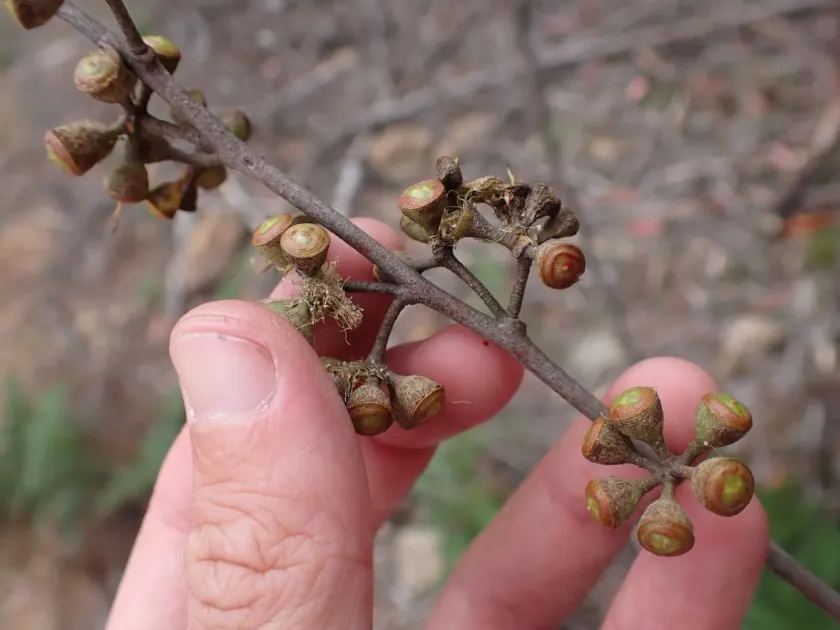
Description
Sowing dates
Sowing of Eucalyptus fastigata seeds is typically performed in specialized forest nurseries during late winter to ensure high-quality seedling development.
Seeds require proper stratification or pre-sowing treatments to maximize germination rates and ensure a uniform start for the nursery crop.
Seedlings are transplanted to the field at the onset of the rainy season, allowing the root system to establish before the peak summer heat occurs.
Planting density is carefully managed based on the final end-use of the timber, usually adhering to a spacing of approximately 2.5 to 3 meters between rows.
Early stage weed control is a critical agronomic practice, as young eucalyptus trees struggle to compete with aggressive grasses and shrubs during establishment.
Growing requirements
Eucalyptus fastigata, commonly known as the Brown Barrel, is a member of the Myrtaceae family and is highly valued for its straight and tall growth habit.
The species is well-adapted to cooler climates and high altitudes, thriving in areas with moderate to high rainfall and deep, fertile soil profiles.
It prefers well-drained soils, although it exhibits significant plasticity in terms of soil types provided there is no long-term waterlogging in the root zone.
Originating from the eastern regions of Australia, this tree has gained popularity in global plantations due to its rapid biomass accumulation capabilities.
The species demonstrates some tolerance to light frosts, which allows for cultivation in specific temperate zones unsuitable for more sensitive tropical species.
Yield
The yield potential of Eucalyptus fastigata is exceptionally high, making it a preferred choice for large-scale timber and pulpwood production projects.
Its timber is recognized for moderate density, good structural strength, and light color, which makes it suitable for flooring, furniture, and general construction.
In addition to solid wood products, the fibers of this eucalyptus are ideal for high-quality paper and cellulose production, ensuring consistent industrial demand.
Managed plantations can achieve significant harvest volumes within a 20 to 30-year rotation cycle, depending on local site conditions and management intensity.
Optimizing growth through selective silviculture ensures a reliable and sustainable supply of high-grade raw materials for the global market.
Main diseases and pests
Eucalyptus fastigata faces various threats from fungal pathogens that thrive in humid environments, often causing foliage or stem lesions if not controlled.
Insects, particularly leaf-eating beetles and psyllids, can inflict damage on young plantations, causing significant growth retardation if left untreated.
Root rot diseases are a major concern in waterlogged soils, which highlights the importance of selecting well-drained terrain for plantation establishment.
Invasive species and local wildlife can also pose risks to young plantings, necessitating robust fencing and regular phytosanitary inspections.
Integrated pest management strategies, combined with the use of disease-resistant clones, are essential for maintaining the health of eucalyptus stands.
Harvesting
The harvesting process for Eucalyptus fastigata is conducted using professional forestry equipment once the stands reach the target diameter and timber quality.
Harvesting strategies include clear-felling for pulpwood or shelterwood systems for high-value timber, depending on regional forest management plans.
Log extraction is typically synchronized with local infrastructure capacity, requiring accessible haul roads and efficient timber loading stations.
Post-harvest site management is crucial to ensure soil stability and to prepare the land for potential future cycles of reforestation or land use.
Techniques such as primary bucking and sorting are often carried out on-site to optimize logistics and maximize the value of the harvested wood yield.