
Eucalyptus deanei
Eucalyptus deanei Maiden
Description
Sowing dates
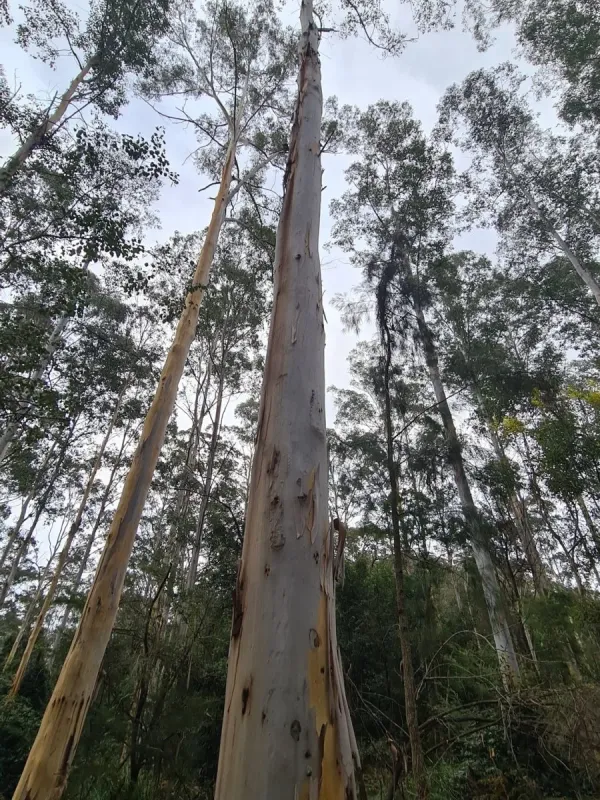
Eucalyptus deanei, commonly known as Deane's blue gum or mountain blue gum, is a prominent forest tree species belonging to the Myrtaceae family. Originally found in the coastal regions of New South Wales, Australia, it has gained international interest due to its rapid growth rate and potential for high-quality timber production.
Forestry cultivation begins in high-tech nurseries, where seeds are germinated under controlled conditions. Once the seedlings reach a robust stage, they are transplanted into open fields. The timing of planting is crucial and is generally scheduled for the beginning of the rainy season to ensure optimal establishment.
The preparation of the planting site is fundamental to the tree's future success. Intensive land clearing and deep ripping are standard practices to ensure the soil is permeable, allowing the root system to penetrate deeply and access deep water reserves during the drier periods of the year.
Planting density is determined by the intended end-use of the timber. For pulpwood or short-rotation forestry, densities of 1200 to 1600 stems per hectare are common. Proper spacing ensures that each tree has sufficient access to light and nutrients while minimizing intense competition within the canopy.
Early-stage management involves frequent weed control. Eucalyptus deanei is sensitive to competition, especially during the first two years of development. Ensuring a weed-free zone around each sapling significantly increases survival rates and accelerates the time required for canopy closure.
Growing requirements
Eucalyptus deanei thrives in temperate to subtropical climates with adequate rainfall, ideally distributed throughout the year. While it can withstand mild frosts, extreme or prolonged cold events can adversely affect young plants, making site selection critical in cooler regions.
The species prefers deep, fertile, and well-drained soils, typically found in alluvial valleys or on gentle slopes. It does not perform well in waterlogged or heavy clay soils, where poor aeration restricts root development and increases the risk of mortality due to root diseases.
Light availability is paramount for this species. Being a light-demanding tree, it requires full solar exposure to develop a straight and clear trunk, which is essential for maximizing timber quality. Shade-grown specimens often exhibit stunted growth and structural defects.
Soil pH levels should ideally range between 5.5 and 6.5. In acidic or alkaline soils, nutrient availability may become limited, potentially hindering the metabolic processes of the tree. Periodic soil analysis and the application of lime or balanced fertilizers are often necessary to maintain healthy growth rates.
Water management in arid or semi-arid plantations is a prerequisite for productivity. Modern drip irrigation systems are increasingly used in the early stages of plantation development, ensuring consistent moisture levels that prevent tree stress and promote uniform height and diameter gain.
Yield
Eucalyptus deanei is highly valued for its superior productivity. Under optimal site conditions and professional management, it exhibits high mean annual increments, making it a very attractive choice for commercial forest estates looking for quick returns on investment in hardwood timber.
The wood produced by this species is dense, durable, and highly prized for furniture, high-end cabinetry, and interior construction. Its excellent physical properties, such as dimensional stability and aesthetic appeal, ensure a strong demand in global timber markets.
Besides structural applications, Eucalyptus deanei is a vital resource for the pulp and paper industry. Its long, strong fibers make it ideal for the production of high-quality printing and writing papers, ensuring a diversified economic stream for plantation owners.
The harvest cycle for sawlogs typically ranges between 20 and 30 years. For pulpwood operations, the rotation period can be shortened significantly to 12-15 years, providing faster turnover and increased flexibility in managing plantation financial cycles and market demand.
Productivity is further enhanced by utilizing genetically improved planting stock. Selective breeding programs aim to increase wood density and pest resistance, which translates directly into higher yield volumes and better economic outcomes at the time of final harvest.
Main diseases and pests
Leaf-spotting fungi, particularly species like Mycosphaerella, are the primary biological threats to this eucalyptus. These infections thrive in humid conditions, causing foliage loss and reducing the photosynthetic capacity of the trees, which can lead to significant growth delays.
Insect pests, including chrysomelid beetles and certain types of defoliating caterpillars, can cause extensive damage to the canopy during outbreak years. Integrated pest management, which combines biological control with targeted applications, is necessary to mitigate these impacts.
Termites can pose a severe threat in certain tropical or subtropical environments, often targeting the roots or the heartwood of the tree. Preventive measures, such as soil treatment at the time of planting, are often implemented to protect the investment from early-stage damage.
Root rot pathogens, often facilitated by poor drainage and excessive irrigation, can cause sudden tree mortality. Maintaining the hydrological balance of the plantation and ensuring the trees are not stressed are key elements in preventing these soil-borne diseases from spreading.
Fire risk is an ever-present concern in eucalyptus plantations due to the volatile nature of the essential oils found in the leaves. Firebreak maintenance and regular removal of accumulated dead biomass are essential management tasks to protect the plantation from catastrophic loss.
Harvesting
Harvesting is typically carried out using mechanized methods, such as harvesters and forwarders, which maximize efficiency and worker safety. This equipment allows for precise log sorting at the stump, separating high-value sawlogs from utility-grade material or pulpwood.
Post-harvest site management includes the proper distribution of logging residues. Chipping branches and leaves and spreading them back across the site provides essential organic matter and nutrients back to the soil, supporting the health of the subsequent planting rotation.
Log transport logistics are critical for maintaining timber quality. Prompt delivery to the mill prevents end-cracking and moisture loss caused by sun and wind exposure. Efficient supply chains are essential for ensuring that the wood reaches the processing plant in optimal condition.
Kiln-drying is an indispensable part of the processing phase for Eucalyptus deanei. By carefully controlling the evaporation of moisture, processors prevent warping and checking, ensuring that the final timber products meet the strict standards required by the furniture and construction sectors.
The reforestation phase begins with site rehabilitation, where the soil is prepared for the next crop. Analyzing the residual nutrient status and potentially adding fertilizers ensures that the plantation maintains its long-term yield potential through successive generations of timber production.