
Eucalyptus cypellocarpa
Eucalyptus cypellocarpa L. A. S. Johnson
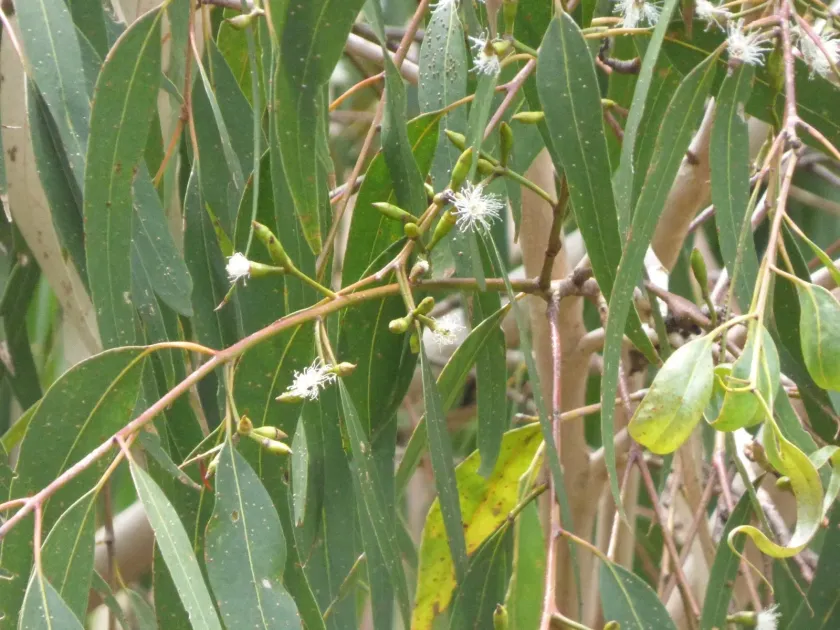
Description
Growing requirements
Eucalyptus cypellocarpa, commonly known as the mountain grey gum, is a prominent species within the Myrtaceae family. It is a large, evergreen tree noted for its impressive growth rate and straight bole, making it a valuable candidate for commercial silviculture projects.
The species originates from the temperate and moist high-altitude regions of southeastern Australia. It thrives in cool climates and is relatively hardy compared to other eucalyptus species, showing a degree of tolerance to frost in its native habitat.
Successful cultivation requires deep, well-draining, and nutrient-rich soils. While the species prefers high rainfall, adequate moisture management during the establishment phase is critical to ensure high survival rates and uniform stand development in plantations.
Management practices focus on site preparation and competition control during the first few years of growth. Applying balanced fertilizers helps stimulate rapid biomass production, ensuring that trees reach maturity within the planned harvesting cycle.
The wood harvested from Eucalyptus cypellocarpa is highly valued for its mechanical properties, including strength and density. It is commonly utilized for furniture manufacturing, flooring, structural joinery, and the production of paper pulp.
Main diseases and pests
Plantation health can be compromised by various fungal pathogens that thrive in humid, stagnant air conditions. Effective forest management involves thinning operations to improve airflow and reduce the incidence of leaf spot and root rot diseases.
Insect pests, particularly defoliating beetles, pose a recurring challenge for young forest stands. Integrated pest management strategies, focusing on biological controls and timely monitoring, are essential for maintaining the vigor and growth potential of the plantation.