
Bangalay
Eucalyptus botryoides Sm.
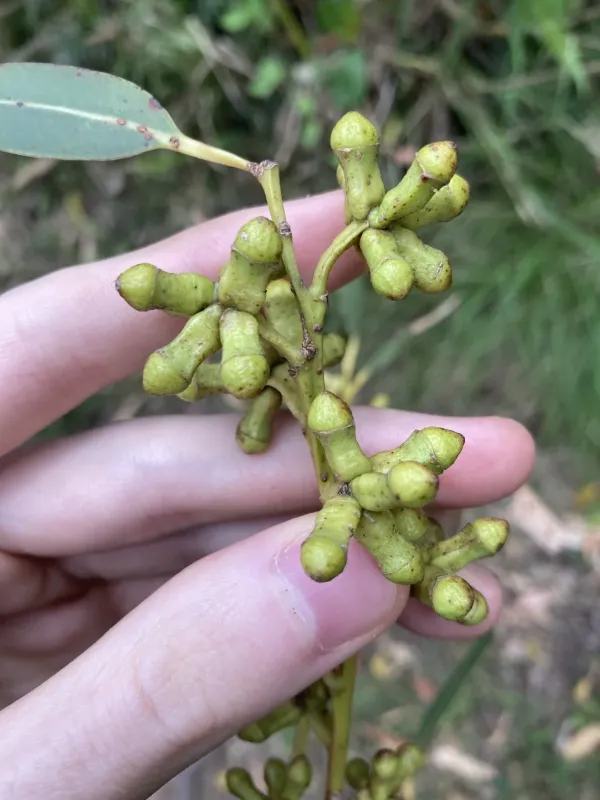
Description
Growing requirements
Eucalyptus botryoides, commonly known as Bangalay, is a large evergreen tree belonging to the Myrtaceae family. It is highly valued for its dense, dark green foliage and its ability to thrive in coastal environments.
The species is native to the coastal regions of southeastern Australia. It is well-adapted to maritime influences and is commonly found in areas where sandy or loamy soils are present, often close to the sea.
In terms of climatic needs, this tree prefers a mild, humid environment. It is not frost-hardy, meaning it is best suited for cultivation in regions that do not experience significant sub-zero temperatures.
Cultivation requires careful site selection, as the species needs deep, fertile, and well-drained soil. Regular monitoring of soil moisture is essential during the early stages of establishment to ensure healthy root development.
Economically, the Bangalay is cultivated for its durable timber. Its wood is famously dense and resistant to decay, making it a preferred choice for railway sleepers, construction poles, and heavy-duty building materials.
Main diseases and pests
Common threats include various species of leaf-eating insects that can significantly reduce the photosynthetic capacity of the tree if left untreated during the early sapling stage.
Fungal pathogens causing root rot are a major concern in plantations with poor drainage. Once established in the root system, these diseases are difficult to eradicate and can lead to stand loss.
Termite infestation remains a persistent problem in warmer climates, affecting the heartwood of older trees and necessitating careful management of the forest floor debris.
Integrated pest management strategies are recommended, focusing on the maintenance of healthy, well-spaced stands to improve air circulation and reduce the incidence of disease.
Regular inspections and the removal of heavily infested specimens are standard practices to keep the plantation healthy and productive for long-term timber harvesting.