
Decaspermum humile
Decaspermum humile
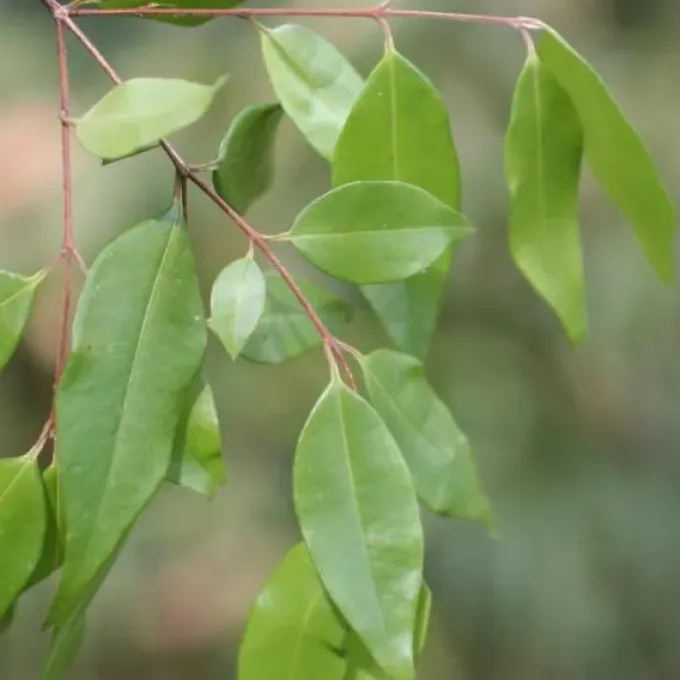
Description
Growing requirements
Decaspermum humile is a prominent member of the Myrtaceae family, native to tropical regions stretching from Southeast Asia to northern Australia. It is characterized by its evergreen nature and distinct aesthetic, making it an interesting subject for both botanical study and specialized cultivation.
The plant thrives in climates with high humidity and consistent rainfall patterns. It performs best in well-drained, fertile soils that are rich in organic matter. Soil drainage is critical, as stagnant water is detrimental to the fibrous root system of this species.
Temperature requirements for this species are strict, preferring a stable tropical climate. Protection from cold drafts and frost is essential, as the plant lacks any significant cold tolerance. Optimal growth occurs in temperatures between 22 and 30 degrees Celsius.
Light management is another crucial aspect of agrotechnology for this species. While it can tolerate full sun in its native habitat, potted or introduced specimens often benefit from partial shade to prevent leaf scorch and preserve the deep green color of the foliage.
Agricultural utility includes its use as an ornamental hedge or an understory plant in agroforestry systems. The plant's morphology, featuring dense foliage and small, clustered flowers, provides an ideal habitat for beneficial insects and supports local biodiversity.
Main diseases and pests
Root rot caused by Oomycetes and various soil-borne fungi represents the most significant threat to Decaspermum humile. Overwatering and poor soil aeration create the conditions necessary for these pathogens to proliferate and destroy the plant's vascular system.
Scale insects and mealybugs are the most frequent pests affecting the canopy of the plant. These insects thrive in sheltered areas of the foliage, feeding on plant sap and excreting honeydew, which subsequently promotes the growth of sooty mold.
Spider mites are a common concern in environments where humidity levels fluctuate significantly. These pests cause chlorosis and eventual necrosis of leaves, severely weakening the plant if left unaddressed by effective miticide applications or environmental correction.
Management of these threats relies on an integrated pest management (IPM) approach. This includes the physical removal of heavily infested branches, the use of targeted biological controls, and chemical intervention only when necessary during the early stages of infestation.
Regular sanitation, such as removing leaf litter and ensuring proper airflow between plants, is fundamental to reducing disease pressure. These proactive measures help maintain a healthy growth environment and reduce the long-term need for heavy chemical intervention.