
Decaspermum fruticosum
Decaspermum fruticosum
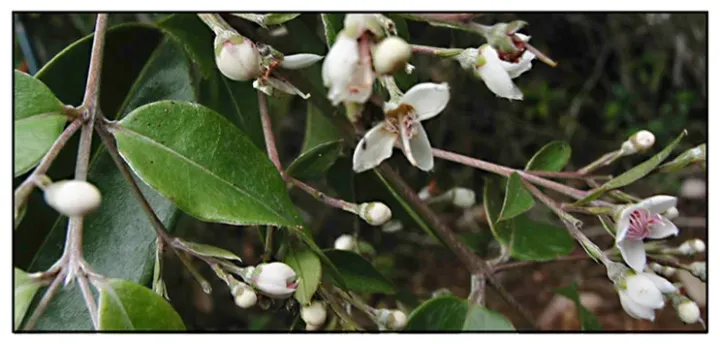
Description
Growing requirements
Decaspermum fruticosum, a member of the Myrtaceae family, is a versatile evergreen shrub or small tree. Known for its compact habit and resilient foliage, this species is well-adapted to the humid environments characteristic of its native Southeast Asian and Australian habitats.
This species thrives in tropical climates where temperatures remain consistently warm throughout the year. It exhibits limited tolerance for cold, meaning it is typically grown in frost-free regions or protected horticultural settings.
Ideal soil conditions for this plant include well-draining, nutrient-rich, and slightly acidic substrates. It requires a balanced moisture supply, avoiding both prolonged drought and waterlogged conditions, which can be detrimental to its shallow root system.
In terms of light exposure, the plant prefers full sun to partial shade. In its natural forest edge habitat, it has adapted to benefit from dappled sunlight, though increased light intensity generally promotes more robust blooming and fruiting.
The culinary and medicinal uses of its fruit represent a significant part of its agricultural value. These dark, berry-like fruits are harvested for their nutritional properties and are often utilized in regional herbal traditions.
Main diseases and pests
The primary agricultural threat to Decaspermum fruticosum involves fungal infections, particularly root rot, caused by poor drainage. Preventing water accumulation at the base is crucial for maintaining a healthy plantation.
Pests such as scale insects and spider mites are known to infest the plant, particularly during dry seasons. These insects concentrate on younger leaves and stems, sucking nutrients and inhibiting the overall growth rate of the shrub.
To mitigate these risks, growers should prioritize air circulation. Pruning is an essential task to maintain an open canopy structure, allowing light and air to penetrate the center of the plant, which reduces the humidity levels that favor fungal growth.
Integrated Pest Management (IPM) strategies are highly recommended. This includes regular monitoring for early signs of infestation and using biological controls such as predatory mites to manage pest populations effectively without damaging the ecosystem.
Adequate soil management is also vital. By maintaining soil health through organic mulching and ensuring proper pH balance, growers can prevent nutrient deficiencies, which otherwise make the plant more susceptible to stress and subsequent pest attacks.