
Darwinia glaucophylla
Darwinia glaucophylla
Description
Growing requirements
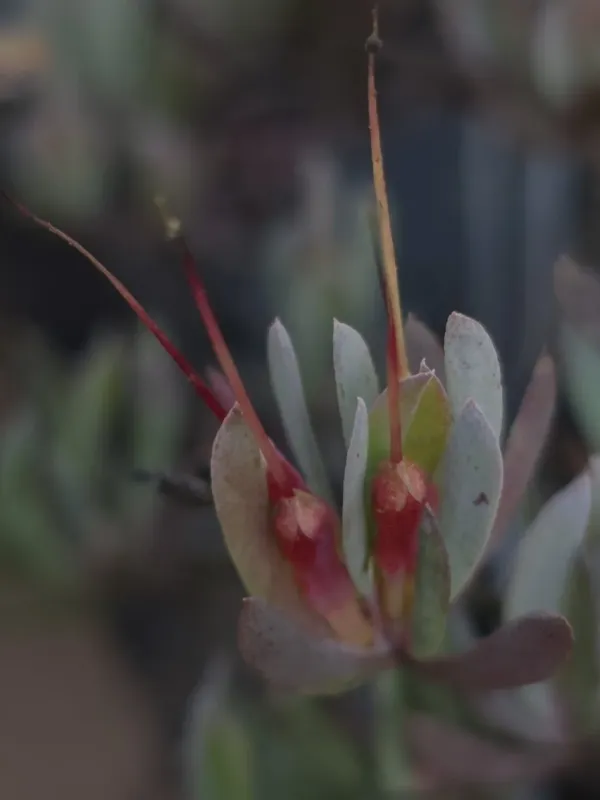
Darwinia glaucophylla is a perennial shrub belonging to the Myrtaceae family. Native to specific regions in Australia, this plant is characterized by its glaucous, blue-tinted foliage and compact, dense growth habit, making it a distinct specimen for gardens.
In terms of habitat, the species thrives in well-drained, sandy, or rocky soils that mirror its native environment. Proper aeration is crucial; therefore, the planting site must be chosen carefully to prevent any risk of root waterlogging, which the plant cannot tolerate.
Regarding climate, Darwinia glaucophylla prefers sunny locations with moderate temperatures. While it has some tolerance for environmental stressors, it generally requires protection from heavy frosts and extreme, prolonged heat waves to maintain its optimal aesthetic form.
The agrotechnical management of this crop focuses on replicating its natural survival strategy. This includes providing excellent drainage, avoiding phosphorus-heavy fertilizers, and ensuring that the soil pH remains slightly acidic to neutral to support healthy development.
Economically, this species is highly regarded in the ornamental plant trade. It is used extensively by landscapers and nursery professionals to create low-maintenance, drought-tolerant gardens in suitable climates, serving as a signature plant for native-focused landscapes.
Main diseases and pests
The most significant threat to Darwinia glaucophylla is root rot, specifically caused by Phytophthora species. This disease is almost always linked to poor drainage or overwatering, making moisture control the most vital aspect of its cultivation management.
Pests such as spider mites and mealybugs can pose a risk, especially in greenhouse or sheltered conditions. Vigilant monitoring and the use of appropriate biological or chemical controls can help manage these infestations without damaging the sensitive foliage.
Poor air circulation often leads to the development of fungal leaf spots or powdery mildew. Ensuring adequate spacing between individual plants and maintaining a clean environment around the base are essential preventative measures against these common issues.
Chlorosis is a common physiological issue occurring when the soil chemistry prevents nutrient uptake. Frequent monitoring of soil pH levels is recommended to ensure that the plant is not struggling with iron or magnesium deficiency, which can cause significant yellowing.
Overall, long-term health depends on minimizing root disturbance and maintaining environmental consistency. Avoiding deep cultivation around the root zone helps preserve the delicate mycorrhizal associations that these native shrubs rely on for nutrient acquisition.