
Darwinia fascicularis
Darwinia fascicularis
Description
Growing requirements
Darwinia fascicularis is a perennial evergreen shrub belonging to the Myrtaceae family. Native to the coastal regions of New South Wales, Australia, this species is well-adapted to the sandy, nutrient-poor soils typically found in coastal heaths and shrublands.
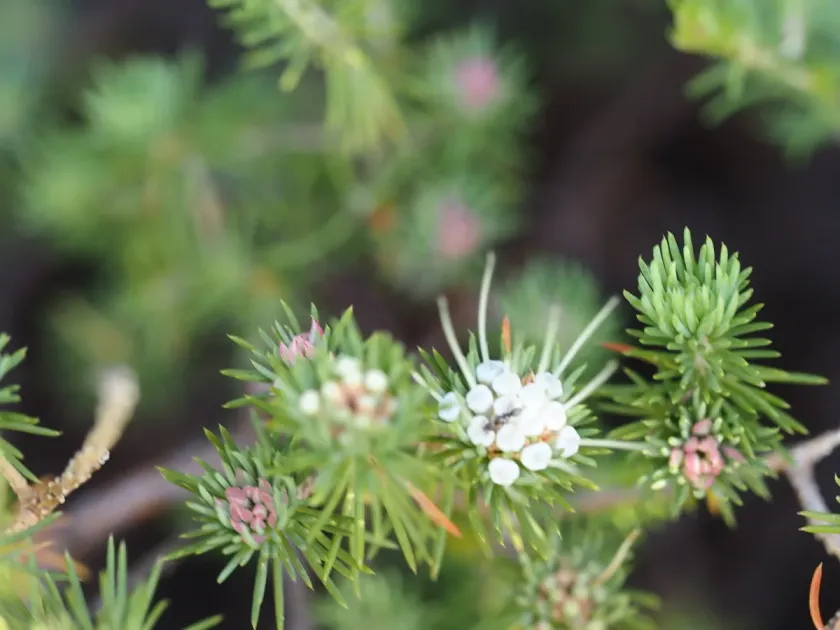
Botanically, it is recognized for its dense habit and narrow, linear leaves. The most striking features are the flower clusters, known as fascicles, which are surrounded by colorful bracts. These unique structures protect the flowers and provide significant ornamental value.
The plant thrives in full sun, requiring ample light to maintain its compact shape and promote healthy flowering. Soil drainage is the most critical factor for success; the species cannot tolerate "wet feet," which can rapidly lead to root rot. Sandy or gritty, well-draining soil mixes with a slightly acidic pH are ideal.
Climate-wise, it prefers mild, maritime-like conditions. While it can withstand light frosts, it is not hardy in regions with prolonged freezing temperatures. Growers in cooler zones should cultivate the species in containers that can be sheltered during the winter months.
Maintenance involves low-frequency irrigation and very careful fertilization. Like many Proteaceae and Myrtaceae species, Darwinia fascicularis is sensitive to high levels of phosphorus in the soil. Using specialized low-phosphorus fertilizers is essential to avoid physiological stress or plant damage.
Main diseases and pests
The most common biological threats to Darwinia fascicularis are soil-borne pathogens, particularly Phytophthora species, which thrive in poorly drained or waterlogged substrates. Preventative measures include maintaining excellent drainage and avoiding overhead irrigation that leaves foliage damp for extended periods.
Pests are generally manageable, but the plant may be occasionally affected by scale insects or aphids. These typically congregate on the tender new growth. Infestations are best controlled by manual removal or the application of organic insecticidal soaps if the population becomes significant.
Nutrient deficiencies, particularly iron chlorosis, can occur if the soil pH becomes too alkaline. Monitoring the pH levels and providing chelated iron supplements when necessary helps maintain the foliage's deep green color and general plant health.
Fungal leaf spots can sometimes appear if the air circulation around the shrub is restricted. Providing adequate spacing between plants and regular pruning to thin the canopy helps ensure good airflow, which is a key component of effective integrated pest and disease management.
In containerized settings, root mealybugs can pose a hidden threat. Regularly checking the root zone during repotting and using sterile potting media are standard practices to keep the plants free from such infestations, ensuring steady and consistent vegetative development.