
Lemon-scented Darwinia
Darwinia citriodora
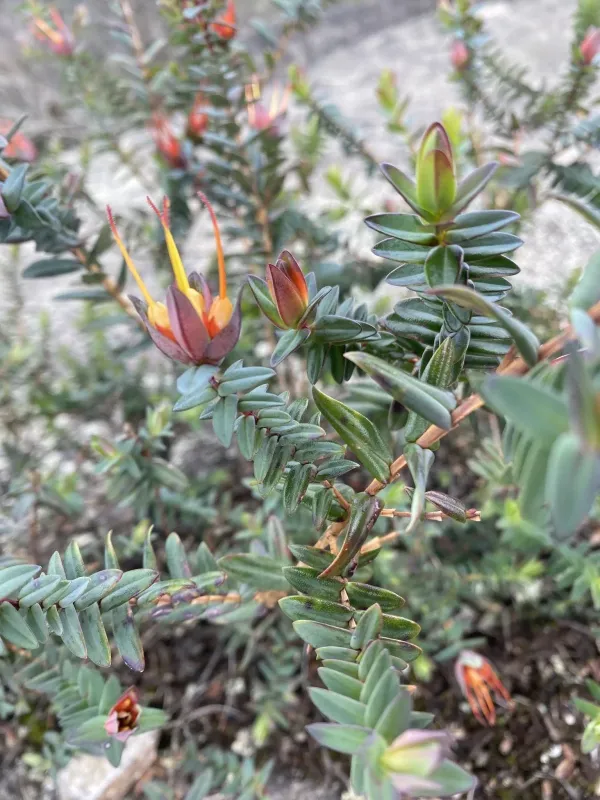
Description
Growing requirements
Darwinia citriodora belongs to the Myrtaceae family. This evergreen shrub is native to the south-western regions of Western Australia and is highly prized for its unique foliage.
The plant requires well-drained sandy or rocky soils to thrive. It is notoriously sensitive to waterlogging, necessitating a professional approach to soil structure and drainage.
Regarding climate, it prefers temperate environments with plenty of sunlight and protection from severe frosts, which can cause significant tissue damage to the tender growth.
A specific agricultural requirement is to avoid fertilizers high in phosphorus. This species, like many Proteaceae and Myrtaceae, has adapted to low-nutrient soils and requires specific care.
Economically, it is used in ornamental gardening for its pleasant lemon fragrance and aesthetic appeal, making it a popular choice for rockeries and drought-tolerant gardens.
Main diseases and pests
The most significant threats to Darwinia citriodora are root-rot pathogens, such as Phytophthora, which thrive in damp or poorly drained soil conditions.
Insects like mealybugs and spider mites are common pests that tend to infest the plant when environmental conditions, such as humidity and airflow, are not optimal.
Integrated pest management, including regular inspection and maintaining proper airflow, is essential for keeping the shrub healthy throughout the growing season.
Applying systemic fungicides might be necessary if root infection is suspected, but early intervention is key to preventing the spread to surrounding plants.
Consistent monitoring and maintaining a balanced nitrogen-phosphorus ratio in the substrate are the best preventive measures against both biotic and abiotic stresses.