
Cyathostemon heterantherus
Cyathostemon heterantherus
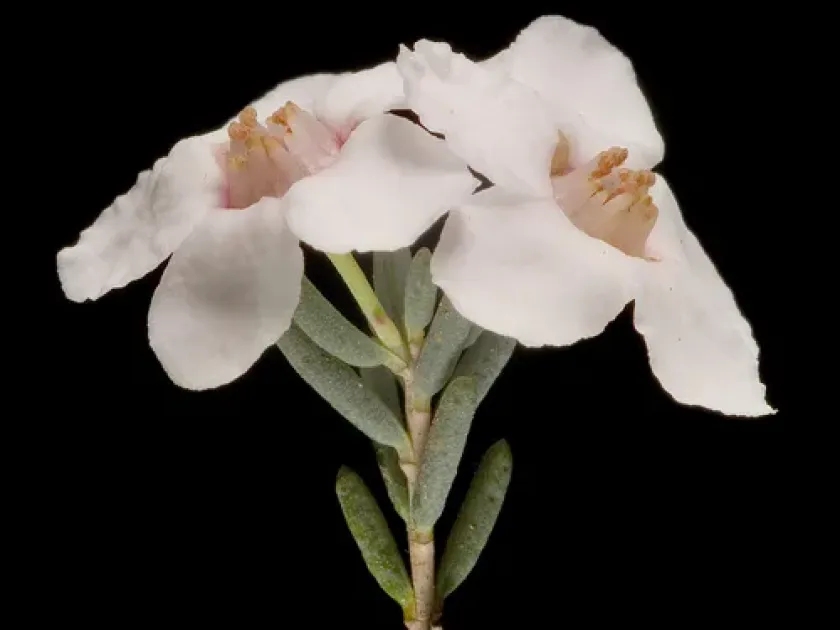
Description
Growing requirements
Cyathostemon heterantherus is a distinctive species within the Myrtaceae family, native to the diverse landscapes of Western Australia. This shrub is highly adapted to nutrient-poor soils and is recognized for its unique floral structure and resilient growth habit in Mediterranean-type climates.
Cultivation requires soils with exceptional drainage, as the root system is highly susceptible to hypoxia and fungal infections in waterlogged conditions. Sandy or sandy-loam soils are ideal, providing the necessary aeration for root respiration and preventing the accumulation of excess salts.
The plant thrives in full sun exposure, which is essential for stimulating flower production and maintaining a compact, healthy canopy structure. While it prefers sunny locations, it can tolerate dappled shade in extremely hot climates to protect the foliage from heat stress.
Temperature management is crucial; the plant performs best in moderate temperatures, typically between 18°C and 28°C. It possesses a moderate tolerance for cold, but prolonged exposure to temperatures near or below freezing can cause significant tissue damage to young terminal shoots.
Agronomic maintenance should prioritize minimal fertilizer application, specifically avoiding phosphorus-rich additives which can be toxic to many Western Australian native species. Organic mulch can be applied to maintain soil moisture levels without suppressing necessary oxygen exchange.
Main diseases and pests
Phytophthora root rot remains the most significant threat to the species in both wild and cultivated settings. This soil-borne pathogen thrives in moist environments, making the regulation of soil drainage the most effective preventative strategy available to growers.
Sap-sucking insects, such as scale insects and mealybugs, are frequent pests that congregate on the stems and undersides of leaves. These pests weaken the plant by extracting essential nutrients, leading to stunted growth and potentially facilitating the entry of secondary infections.
Spider mites can become a major issue during hot and dry periods, causing chlorosis and premature leaf drop. Regular monitoring of leaf undersides is recommended, combined with misting or targeted biological control methods to mitigate population explosions.
Nematode infestations in the rhizosphere may occur in instances of poor soil sanitation, leading to reduced vigor. Rotating planting sites and using high-quality, pathogen-free growing media are essential steps in reducing the risk of subterranean pest damage.
Foliar diseases, while less common than root issues, can occur if airflow is poor, particularly in nursery settings. Maintaining adequate spacing between shrubs allows for optimal air circulation, which prevents the build-up of humidity and reduces the incidence of fungal leaf spots.