
Calycolpus moritzianus
Calycolpus moritzianus
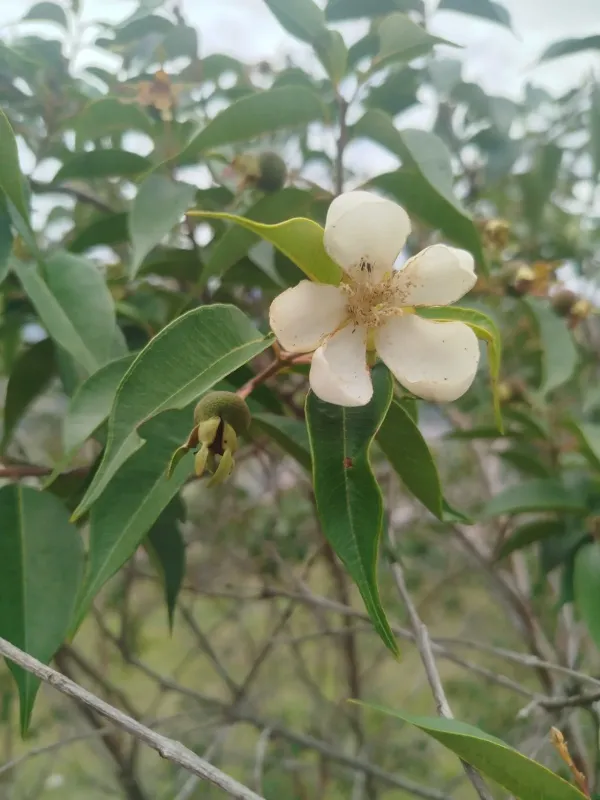
Description
Growing requirements
Calycolpus moritzianus is a woody evergreen shrub or small tree belonging to the Myrtaceae family. Native to the tropical regions of South America, specifically in countries like Colombia and Venezuela, this plant is well-adapted to humid forest ecosystems.
The climate requirements for this species are strict, as it thrives in tropical zones with temperatures ranging between 22 and 28 degrees Celsius. The plant is sensitive to frost and sudden drops in temperature, which can severely damage its foliage and budding processes.
Regarding soil preferences, it requires fertile, well-drained loamy soils. Good drainage is essential, as the roots are susceptible to rot in waterlogged environments. It is recommended to choose sites that avoid low-lying areas where water might accumulate during heavy rainfall.
Agricultural management includes ensuring adequate sunlight for optimal growth. While the tree can tolerate partial shade, full sun exposure is generally preferred for fruit production. Regular irrigation is necessary, particularly during the growth phases of the plant, to maintain turgor.
The economic use of Calycolpus moritzianus is primarily centered on its edible fruits, which are processed into jams and drinks. Additionally, due to its relationship with other myrtaceous plants, it is being researched for its aromatic oil content, which has potential applications in the cosmetic industry.
Main diseases and pests
In its natural habitat, Calycolpus moritzianus faces challenges from various fungal diseases that thrive in the characteristic high humidity. Leaf spot pathogens, particularly species of Cercospora, are common threats that require monitoring.
Pest pressure often comes from sap-sucking insects like scales and mealybugs. These insects can weaken the plant by feeding on the phloem and often leave behind honeydew, which leads to the growth of sooty mold on the leaves and fruit.
Integrated Pest Management (IPM) strategies are highly recommended for large-scale cultivation. This includes the use of beneficial predatory insects and the careful application of horticultural oils or organic fungicides to manage outbreaks without harming the local ecosystem.
Proper pruning is a critical agricultural practice to manage tree health. By removing overcrowded or diseased branches, farmers can improve air circulation throughout the canopy, which significantly lowers the risk of fungal infections developing in dense foliage.
Finally, maintaining soil health through organic mulching and nutrient management is key to preventing stress. A stressed plant is significantly more susceptible to pest colonization, so a robust nutritional program is the first line of defense for the grower.