
Arillastrum gummiferum
Arillastrum gummiferum
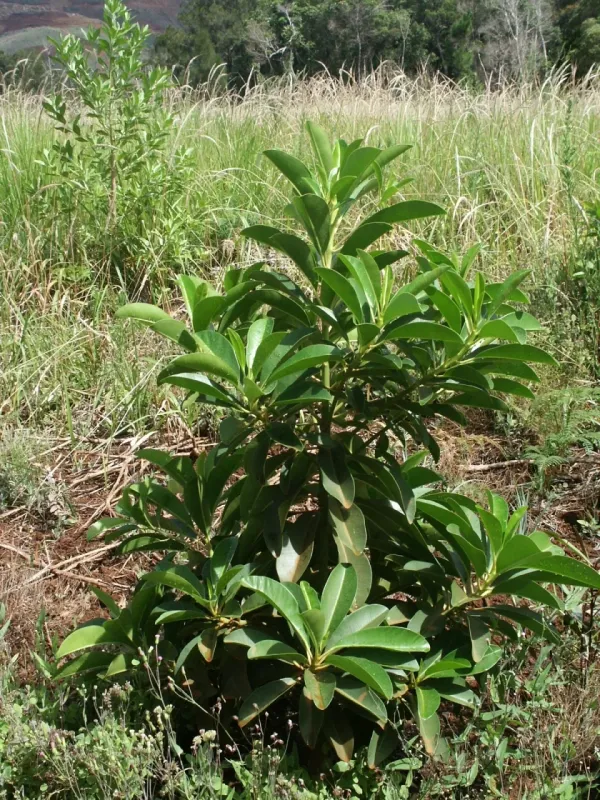
Description
Growing requirements
Arillastrum gummiferum is a significant evergreen tree species belonging to the Myrtaceae family. It is strictly endemic to the island of New Caledonia, where it plays a vital role in the stability of local tropical forest ecosystems.
The tree requires specific pedological conditions to thrive, typically growing on ultramafic soils that provide essential mineral components. It is adapted to the humid tropical climate of the archipelago, requiring consistent moisture throughout the year.
Botanically, the species is characterized by its exceptionally dense and durable timber, which has earned it a reputation as a high-quality hardwood. The leaves are leathery and evergreen, allowing the tree to maintain its physiological functions under varying light conditions.
In terms of management, the species is not typically cultivated in large-scale commercial plantations due to its protected status in the wild. Research indicates that successful propagation relies on simulating the specific soil chemistry and drainage found in its native habitat.
The primary economic use of this tree has historically been in heavy-duty construction and high-grade carpentry. Its wood is highly valued for its resistance to weathering and biological decay, making it suitable for long-term outdoor applications.
Main diseases and pests
The primary threats to the species include habitat loss due to mining activities and the encroachment of invasive species that compete for resources. Forest fires remain a constant hazard, particularly during prolonged dry spells common to the region.
Potential biological threats include wood-boring insects and root pathogens that can affect older, less vigorous specimens. Strict conservation measures are currently in place to mitigate these risks and ensure the long-term survival of the wild population.