
Prainea limpato
Prainea limpato
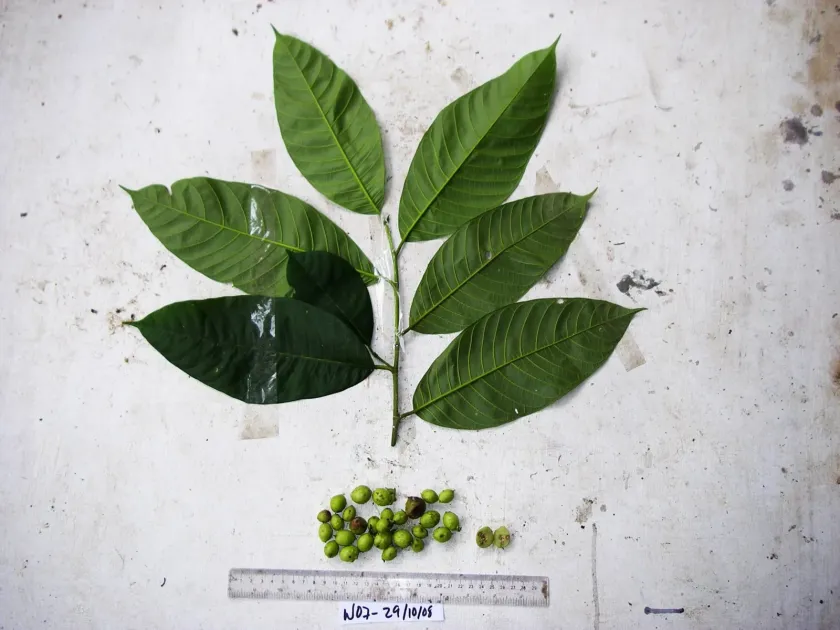
Description
Growing requirements
Prainea limpato is a notable tropical fruit tree belonging to the family Moraceae. It is indigenous to the dense, humid rainforests of Southeast Asia, specifically thriving in regions such as Malaysia, Borneo, and Sumatra.
The species is strictly tropical, requiring year-round high temperatures and constant humidity to survive. It is extremely sensitive to frost and sudden temperature drops, which can cause severe physiological stress and potentially kill younger trees.
The cultivation of Prainea limpato requires deep, fertile, and well-draining soils. While the tree needs significant moisture to support its rapid growth, it does not tolerate waterlogging, which often leads to root rot and fungal infections.
In terms of light, young trees require dappled shade to protect their foliage from intense direct sunlight. Once established, the trees prefer bright, indirect light, which mimics the light conditions of the forest canopy layer where they naturally occur.
Seed propagation is the primary method for this tree. Because the seeds are recalcitrant and have a very short viability period, they should be sown immediately after removal from the fruit to ensure successful germination and seedling establishment.
Yield
The fruit of Prainea limpato is a fleshy, spherical syncarp with a sweet, aromatic pulp. It is highly valued for its flavor, which is often compared to jackfruit or other species within the Artocarpus genus, making it a popular local snack.
Yields are typically seasonal and depend heavily on local rainfall patterns. Proper horticultural management, including pruning and nutrient enrichment of the soil, can help stabilize production levels for small-scale orchards and homestead gardens.
Post-harvest handling remains the biggest challenge for this crop. The fruit has a short shelf life and bruises easily, which severely limits its distribution to regional markets. Immediate consumption or local processing into jams and beverages is standard practice.
While not a major commercial export crop, Prainea limpato plays a vital role in local subsistence agriculture. Its ability to produce fruit in varied forest environments makes it a valuable species for home garden agroforestry systems.
Efforts are currently directed toward identifying higher-yielding genotypes. By selecting trees with better fruit quality and tougher rinds, researchers hope to improve the long-term viability of this culture for wider local consumption.
Main diseases and pests
The main threats to Prainea limpato are fungal infections, particularly those affecting the roots and leaves in high-humidity environments. Anthracnose and leaf spot diseases are common, often appearing during prolonged rainy seasons.
Pests such as fruit flies are a significant economic burden for farmers. These insects pierce the developing fruit to lay eggs, rendering the produce unmarketable and susceptible to rot before it even fully matures on the branch.
In addition to insects, excessive soil moisture can attract soil-borne pathogens, including various species of Phytophthora, which can cause collar rot. Maintaining proper soil structure and drainage is the primary defense against such threats.
Deforestation and habitat loss are also major threats to the wild populations of the species. As the natural ecosystem disappears, so does the biodiversity necessary to keep the tree resilient against localized pests and diseases.
Integrated pest management (IPM) strategies, including the use of fruit bagging, are highly recommended to protect the crop. Bagging not only prevents fruit fly infestation but also helps maintain the delicate skin of the fruit during the final ripening stage.