
Clarisia racemosa
Clarisia racemosa
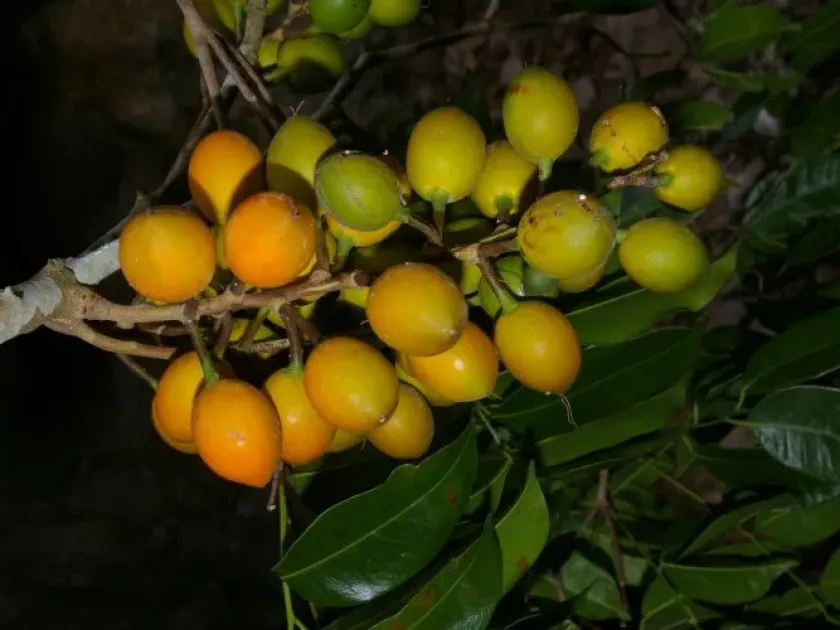
Description
Growing requirements
Clarisia racemosa is a significant tree species belonging to the Moraceae family. It is recognized for its robust growth habit and its ability to thrive within the dense ecosystems of tropical rainforests.
The native distribution of this species spans across the tropical regions of South and Central America. These trees typically inhabit areas with high annual rainfall and consistent, warm temperatures throughout the seasonal cycle.
Regarding soil requirements, Clarisia racemosa prefers deep, nutrient-rich soils that provide excellent drainage. While it thrives in tropical environments, it does not tolerate waterlogged conditions which may damage its root system.
Cultivation practices involve selecting suitable plantation sites that mimic the natural canopy structure. Proper spacing is essential to allow for vertical growth and to minimize competition between individual trees during the development phase.
The primary economic use of this tree is the production of high-quality timber, often marketed as guarema. This wood is highly valued for its durability and structural integrity, making it a sustainable choice for high-end carpentry.
Main diseases and pests
Common threats to this culture include various wood-boring insects and pests that can impact timber quality. Maintaining a healthy stand through regular inspection is vital to preventing large-scale infestations.
Fungal pathogens can occasionally affect the foliage or vascular system of the tree if humidity remains excessive without adequate airflow. Implementing correct management techniques ensures long-term forest health.