
Xylocarpus rumphii
Xylocarpus rumphii
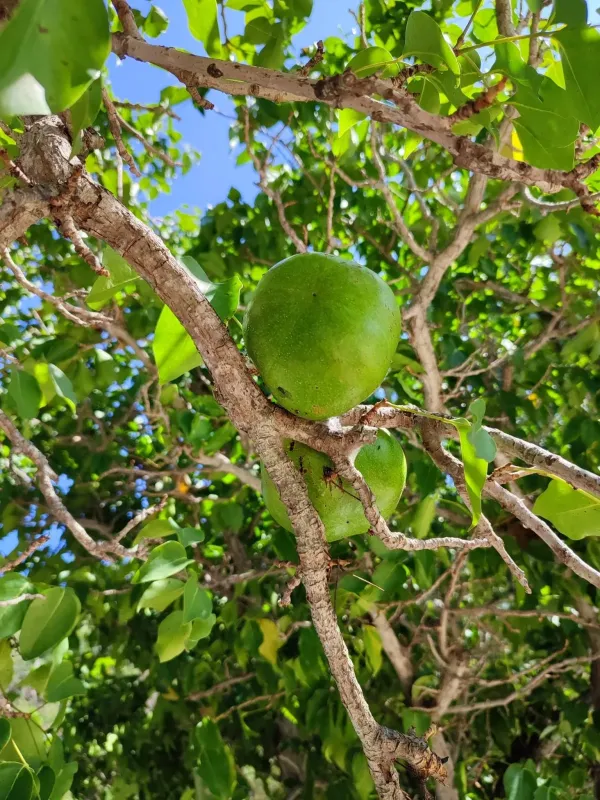
Description
Growing requirements
Xylocarpus rumphii is a specialized tree species belonging to the Meliaceae family, primarily found in tropical mangrove forests. It is highly adapted to saline environments, thriving in coastal regions affected by daily tidal cycles.
The culture requires tropical climate conditions with high humidity and consistent temperatures. It typically grows on sandy or rocky shorelines, where it can access necessary nutrients washed by the sea.
Botanically, the species is defined by its robust structure and specialized root systems, which are essential for survival in waterlogged, anaerobic soil environments. The plant is considered light-demanding, preferring open coastal areas.
The wood of Xylocarpus rumphii is highly valued for its durability and resistance to rot, making it a sustainable resource for traditional maritime construction and high-quality furniture making.
Proper management of this species involves protecting its native coastal habitats, as the plant relies on the natural movement of water to circulate nutrients and disperse its seeds effectively.
Main diseases and pests
Major threats to this species include coastal habitat loss due to land conversion for aquaculture, tourism infrastructure, and urban expansion along the tropical coasts.
The trees are susceptible to infestations by wood-boring insects, which can severely damage the tree trunk and diminish the structural integrity of the timber.
Pollution from agricultural runoff and marine debris often accumulates in mangrove roots, hindering gas exchange and leading to the eventual decline of affected stands.
Rising sea levels present a long-term risk, as excessive flooding depth can exceed the tolerance levels of the tree's pneumatic root systems, leading to drowning of the plants.
Furthermore, the spread of invasive vegetation in coastal zones competes with the slow-growing Xylocarpus species, preventing the successful establishment of new seedlings.