
Xylocarpus moluccensis
Xylocarpus moluccensis
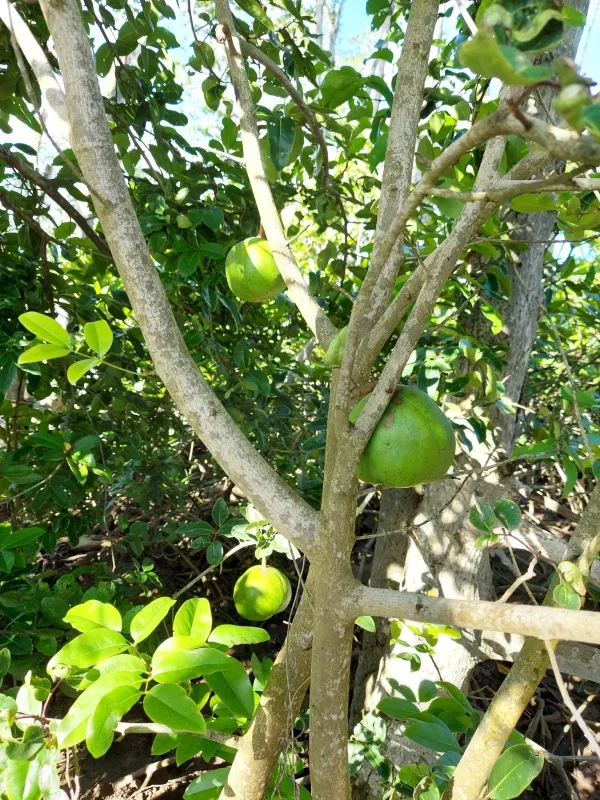
Description
Growing requirements
Xylocarpus moluccensis is a distinctive member of the Meliaceae family, adapted to thrive within the unique environment of tropical mangrove ecosystems.
This tree requires specific soil conditions characterized by tidal influence, where it can manage saltwater exposure through complex physiological adaptations.
Optimal growth conditions involve high ambient humidity and consistently warm temperatures, typical of coastal regions in the Indian and Pacific Oceans.
The plant demonstrates significant tolerance to submerged soil conditions, which is made possible by its root system designed for efficient oxygen exchange in low-oxygen mud.
It prefers sheltered estuaries or protected coastal strips where the hydrological regime supports the stability of its root structure during tidal shifts.
Yield
The primary economic value of this tree is its high-quality timber, renowned for its durability, dense grain, and resistance to environmental degradation.
The bark of the tree is a rich source of tannins, which are traditionally extracted and used in the leather tanning industry for chemical processing.
Seeds and fruits of the plant contain essential oils that are locally utilized in various artisanal and therapeutic applications within coastal communities.
Forestry management for this species necessitates long-term planning due to the slow growth rates, making sustainable harvest practices essential for survival.
Beyond material extraction, the species provides vital ecosystem services by preventing coastal erosion and acting as a nursery for marine biodiversity.
Main diseases and pests
Habitat loss resulting from the conversion of mangrove forests into shrimp farms and coastal urban development remains the most severe threat to the species.
Pest populations, particularly wood-boring insects, can significantly damage individual trees, especially when the plants are under physiological stress.
Fungal pathogens associated with polluted water runoff can jeopardize the health of younger seedlings and decrease the regeneration rate of the population.
Pollution from industrial activities and oil spills in coastal waters poses a direct risk to the respiratory roots, potentially leading to widespread forest decline.
Climate change and rising sea levels threaten to alter the intertidal zones, potentially submerging habitats beyond the species' biological tolerance limits.