
Xylocarpus granatum
Xylocarpus granatum
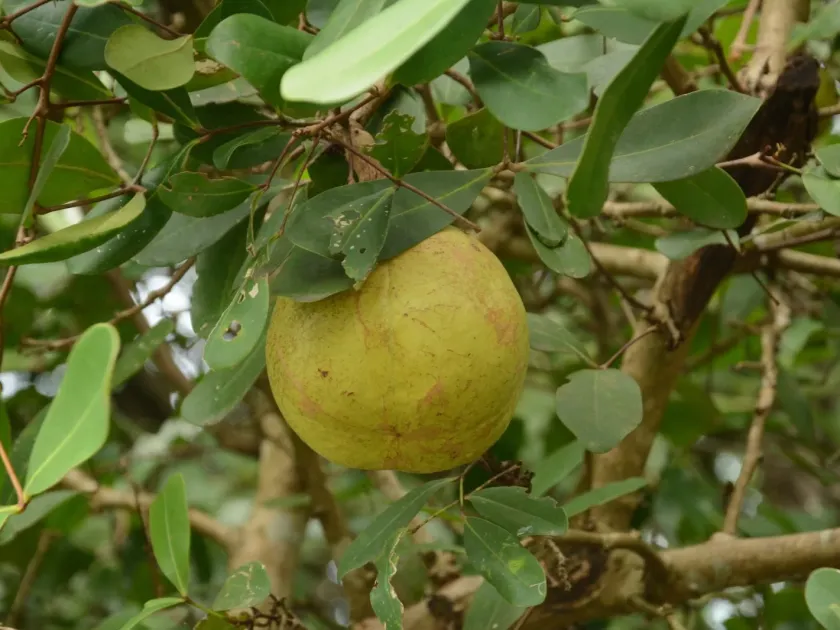
Description
Growing requirements
Xylocarpus granatum is a prominent mangrove tree species belonging to the Meliaceae family. It is naturally adapted to flourish in the intertidal zones of tropical coastal environments, specifically in estuaries and mangrove swamps.
The species is highly specialized to endure saline conditions that would be lethal to most terrestrial plants. Its physiological mechanisms allow it to exclude salt from its root system effectively.
Optimal growth requires a warm, tropical climate characterized by constant high humidity and adequate sunlight. The species relies on nutrient-rich alluvial soils deposited by riverine and marine currents.
A key biological feature is its complex network of pneumatophores or buttress roots. These structures facilitate gas exchange in anaerobic sediment, ensuring the tree survives in waterlogged conditions.
Natural reproduction is facilitated by large, buoyant fruits. These pods float on seawater, effectively dispersing the seeds across coastal regions until they settle in suitable soft mud for germination.
Yield
The primary economic value of Xylocarpus granatum lies in its high-quality timber. The wood is dense, durable, and naturally resistant to rot and insect infestation, making it desirable for fine furniture.
The bark of the tree is a rich source of tannins. These substances are extracted for industrial use in leather tanning and textile dyeing, providing a sustainable income source for local coastal communities.
Medicinal applications of the plant components are well-documented. Parts of the bark and seeds are utilized in traditional practices to treat various ailments, including gastrointestinal issues.
The cultural and ecological yield of these forests includes coastal stabilization. By trapping sediment, the trees help prevent erosion and protect interior lands from storm surges and tidal damage.
Sustainable harvesting of the wood is critical for the long-term viability of the resource. Controlled logging practices ensure that natural regeneration rates can keep pace with industrial demand.
Main diseases and pests
The conversion of mangrove forests into shrimp farms and coastal development projects represents the most significant threat to the survival of Xylocarpus granatum populations.
Pollution from agricultural runoff and industrial wastewater impacts the water quality in estuaries, stressing the plants and making them more susceptible to disease and pest outbreaks.
Wood-boring beetles and certain fungal pathogens can cause severe damage to mature trees, especially when environmental stressors weaken the trees' natural immune systems.
Rising sea levels pose an existential challenge. If the rate of sea-level rise exceeds the rate of sedimentation, these mangrove forests may be permanently drowned, leading to habitat loss.
Over-harvesting of the wood, when done without regard for silvicultural standards, leads to fragmented forest structures and a reduction in the genetic diversity of the plant population.