
Crow's apple
Owenia venosa
Description
Growing requirements
Owenia venosa, commonly known as the Crow's apple, is a tree species within the Meliaceae family. It is native to the rainforest regions of eastern Australia, where it thrives in humid and ecologically stable environments.
The cultivation of this species requires deep, well-draining soils with high organic matter content. It displays good adaptability to various soil types but performs best in nutrient-rich substrates typical of its native rainforest habitat.
The plant demands a warm tropical or subtropical climate to achieve optimal growth. It is highly sensitive to frost, which limits its commercial range to protected coastal regions or areas with mild winter temperatures.
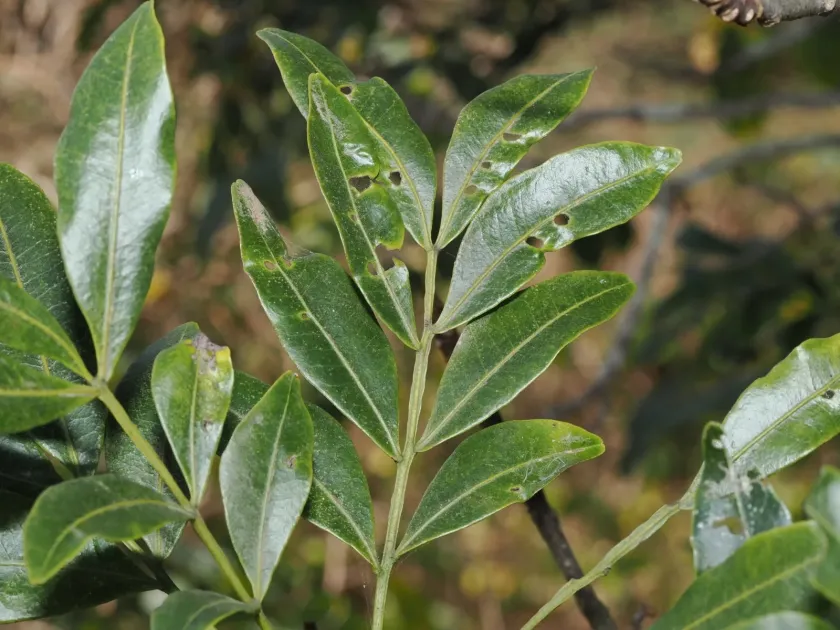
Botanically, it is recognized by its dense foliage consisting of compound leaves with prominent veins. The species has a characteristic upright growth habit, potentially reaching significant heights in mature specimens.
Economically, Owenia venosa is valued for its hard and durable wood, suitable for specialized woodworking and construction. The fruits of the tree are also edible and historically significant, contributing to the biodiversity of local ecosystems.
Main diseases and pests
The primary threats to Owenia venosa include susceptibility to soil-borne pathogens if drainage is poor. Root rot is a significant risk in plantation settings where water saturation occurs during periods of heavy rainfall.
Wood-boring insects present a potential threat to the structural integrity of young saplings. Regular monitoring is essential to prevent significant infestations that could weaken the main stems of the trees.
Fungal infections of the leaves and stems can occur under conditions of low airflow and high humidity. Proper spacing between trees is a recommended practice to improve ventilation and reduce disease transmission.
Competition from fast-growing invasive plant species in the early growth stages is a common issue for plantations. Maintaining clean cultivation rows is necessary to ensure the saplings receive adequate sunlight and nutrients.
Environmental stress, such as prolonged droughts or extreme wind exposure, can affect tree vigor. Implementing appropriate irrigation and protection strategies is key to maintaining healthy and productive stands.