
Owenia acidula
Owenia acidula
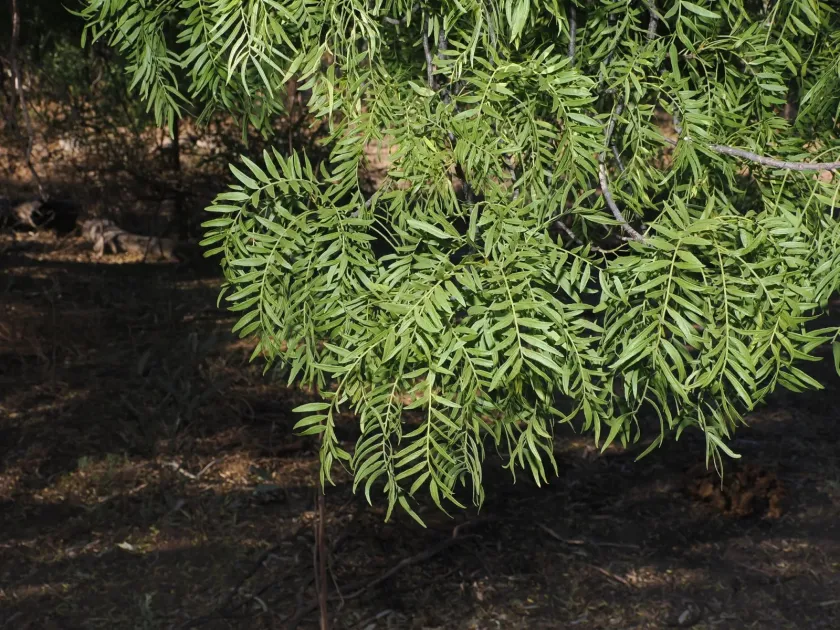
Description
Growing requirements
Owenia acidula, commonly known as the Emu Apple, is a species of evergreen tree in the Meliaceae family. It is recognized for its robust growth, reaching heights of up to 9 meters, and its delicate, pinnate foliage that provides a soft, aesthetic appeal.
Native to the arid and semi-arid regions of inland Australia, this plant is remarkably well-adapted to high-temperature environments and long periods of water scarcity. It thrives in locations with full sun exposure and requires minimal intervention once established in appropriate conditions.
Soil requirements for Owenia acidula focus primarily on excellent drainage. It prefers sandy or loamy substrates that prevent water accumulation around the roots, as the species is highly susceptible to root rot caused by poor soil aeration.
Climatically, it prefers warm, stable conditions. While mature specimens are capable of enduring occasional light frosts, they are not suited for prolonged exposure to freezing temperatures, which can severely damage the tree's vascular system.
The economic and agricultural utility of this tree is centered on its fruit. The small, spherical fruits are sour but nutritious, making them a valued resource for traditional and modern culinary applications, such as the production of jams, preserves, and indigenous food ingredients.
Main diseases and pests
The primary agricultural threat to Owenia acidula is fungal infection caused by waterlogged soil conditions. Excessive irrigation or poor drainage creates an ideal environment for soil-borne pathogens that compromise root vitality.
Insect pests, particularly scale insects and mealybugs, can significantly weaken the tree by feeding on phloem sap. These pests often congregate on younger branches, necessitating regular monitoring to prevent localized infestations from spreading.
Defoliation caused by various species of caterpillars is another concern. While established trees can usually recover, young seedlings are highly vulnerable to damage that can stunt their growth or lead to plant mortality.
Nutrient deficiencies, specifically manifesting as chlorosis, are common when the soil pH is not properly balanced. Regular testing and the application of micronutrient supplements are essential for maintaining leaf health and photosynthetic efficiency.
Fruit damage by fruit flies remains a significant concern for commercial harvest. Implementation of integrated pest management practices, including sanitation and pheromone traps, is critical for maintaining high fruit quality and marketability.