
Nymania capensis
Nymania capensis
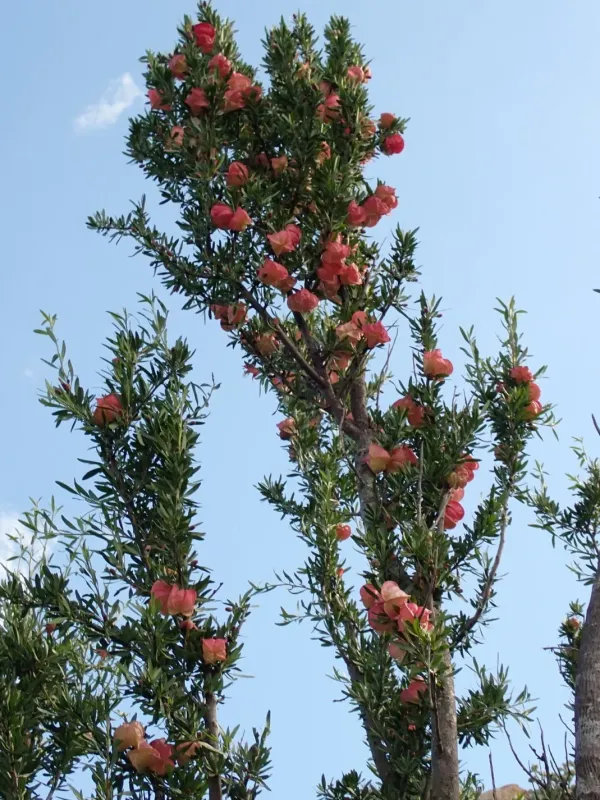
Description
Sowing dates
Propagation of Nymania capensis is typically achieved through seeds. Sowing should be carried out in a well-drained substrate, maintaining a stable temperature range between 20 and 25 degrees Celsius.
The seeds generally exhibit high germination rates if they are fresh. It is recommended to perform a brief soaking before sowing to accelerate germination, which usually occurs within 3 to 5 weeks.
Transplanting young seedlings to their permanent location in open ground should be scheduled for the period after all risks of frost have passed. The plant is sensitive to root disturbance, so transferring from containers is preferred.
An optimal spacing of at least 1.5 to 2 meters between shrubs is necessary to allow for the proper development of the root system and the canopy of mature specimens.
In regions with cold winters, cultivation is possible only in containers, which must be moved into heated greenhouses or winter gardens during the cold season.
Growing requirements
Nymania capensis, a member of the Meliaceae family, is endemic to the arid regions of South Africa. It is highly adapted to extreme conditions, including prolonged drought and high temperatures.
The plant thrives in well-lit areas with direct sunlight. A lack of light results in leggy growth and a significant reduction in the aesthetic appeal of the shrub.
The soil must have excellent drainage characteristics. Nymania strictly avoids waterlogging in the root zone, which quickly triggers rot and fungal diseases.
The species demonstrates high tolerance to saline and nutrient-poor soils. Excessive application of mineral fertilizers can be detrimental to the health of the plant.
Mature specimens are almost entirely drought-resistant and require minimal irrigation, making them highly suitable for sustainable landscaping in arid climates.
Harvesting
The primary use of Nymania capensis is ornamental gardening, where it is prized for its unique, pink-red inflated fruit, often resembling paper lanterns. Harvesting occurs at the stage of technical maturity.
For use in floral arrangements, the fruits are cut with a portion of the stem before natural dehiscence occurs. The harvested material retains its shape and color for a long time in dried bouquets.
Seed collection for future propagation is done after the fruits have dried completely on the shrub. The seed capsules are carefully opened to remove the seeds from the fruit debris.
It is essential to monitor the quality of the harvest: seeds should be firm and free from signs of pest infestation. Storage of seed material should be in paper bags in a cool, dry place.
When commercially producing ornamental branches, care must be taken during harvesting, as the stems of Nymania are brittle and easily damaged by rough handling.