
Lovoa trichilioides
Lovoa trichilioides Harms
Description
Sowing dates
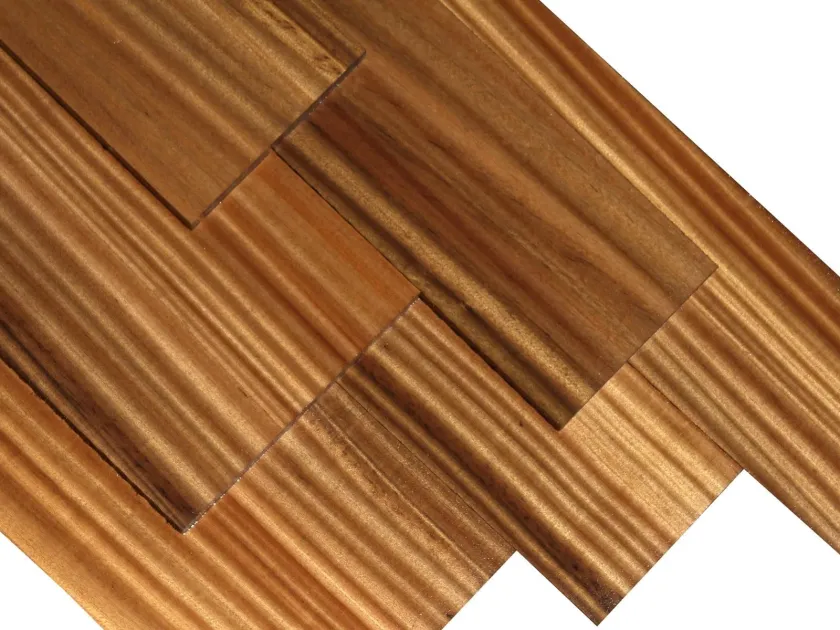
Lovoa trichilioides, commonly known as African walnut, is a species of tree in the family Meliaceae. Cultivation begins with careful seed collection, as the seeds have a very short lifespan and must be planted immediately after maturation.
In nursery conditions, seeds are sown in well-drained potting mix. The optimal time for sowing aligns with the onset of the rainy season to ensure constant hydration during the initial germination phase.
Seedlings are nurtured in the nursery for approximately 8 to 12 months. During this period, consistent irrigation and shade management are critical to producing robust planting material capable of surviving in the forest environment.
Field planting is conducted at the beginning of the rainy season. Young trees are planted in pre-dug pits, ensuring that the soil is enriched with organic matter to support the early stages of establishment.
Space management is a key aspect of silviculture for this species. To achieve high-quality timber, trees are planted with sufficient spacing, often 4 to 5 meters apart, to promote straight trunk development and healthy crown formation.
Growing requirements
The species thrives in humid tropical forest environments. It requires a climate with consistent high rainfall, typically ranging between 1500 and 2500 mm annually, and lacks a prolonged dry season.
Soil requirements are quite specific; the tree performs best in deep, fertile, and well-drained soils. Waterlogged conditions must be avoided as they inhibit root respiration and lead to susceptibility to pathogens.
Lovoa trichilioides is classified as shade-tolerant in its juvenile stage. As the tree matures, it requires significant canopy gaps or direct sunlight to maintain a high rate of wood increment and physiological health.
The temperature range for optimal growth is between 20°C and 30°C. The species is highly sensitive to cold and does not tolerate frost or significantly cooler temperatures, which can stall growth permanently.
Proper soil management, including the maintenance of the natural forest floor litter, provides essential nutrients. In commercial plantations, ensuring a neutral soil pH is beneficial for maximizing growth rates.
Main diseases and pests
Diseases in Lovoa trichilioides are primarily driven by fungal infections. High humidity levels create an environment where leaf spot diseases and bark rots can proliferate, especially in young plantations with poor air circulation.
Pest pressure is notable, particularly from wood-boring insects. These pests create galleries in the trunk, which not only weaken the structural integrity of the tree but also introduce secondary fungal infections that degrade timber quality.
Mammalian herbivory is a major concern for young saplings. Small mammals and large forest ungulates frequently browse on the succulent foliage and tender bark of saplings, often causing permanent deformation.
Environmental stress, such as drought periods, can make trees more vulnerable to insect attacks. Integrated pest management, focusing on plantation hygiene, is the most effective way to protect the crop.
- Wood-boring beetles
- Root rot fungi
- Foliar fungal pathogens
- Herbivory by forest animals