
Cipadessa baccifera
Cipadessa baccifera
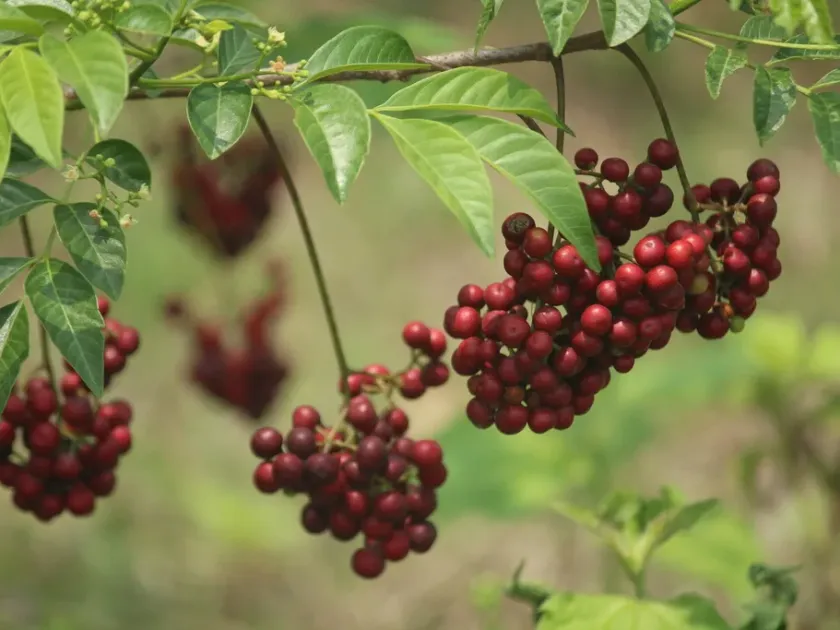
Description
Growing requirements
Cipadessa baccifera is a perennial shrub or small tree belonging to the Meliaceae family. In its natural tropical habitat, this plant develops a robust, woody structure with pinnate leaves, often reaching heights of several meters depending on environmental conditions.
The plant is native to the tropical regions of Asia, primarily found in India, China, and parts of Southeast Asia. It thrives in diverse forest habitats, including scrublands and forest edges, where it benefits from high humidity and consistent tropical temperatures.
For successful cultivation, Cipadessa baccifera requires well-drained, fertile soil that provides adequate aeration. While it can adapt to various conditions, it performs best in soils rich in organic matter, avoiding waterlogged conditions which are detrimental to its root health.
Climate requirements for this species are strictly tropical, necessitating stable, warm temperatures throughout the year. It does not possess frost tolerance, meaning that even minor cold snaps can cause significant damage to the plant's delicate tissues and overall growth cycle.
The plant is highly valued for its medicinal properties, with various parts such as leaves and roots used in traditional healthcare systems. Furthermore, researchers are investigating its extracts for potential applications in bio-pesticides, making it a subject of interest in modern sustainable agroforestry.
Main diseases and pests
Common pests affecting Cipadessa baccifera include scale insects and mealybugs, which tend to colonize the stems and undersides of leaves. Integrated pest management strategies, including the use of neem-based soaps, are effective in controlling these infestations.
Fungal diseases such as leaf spot are a frequent threat during monsoon seasons or periods of prolonged humidity. Ensuring proper spacing between plants and adequate canopy ventilation helps mitigate the risk of pathogen spread, maintaining the health of the cultivation.