
Sextonia rubra
Sextonia rubra
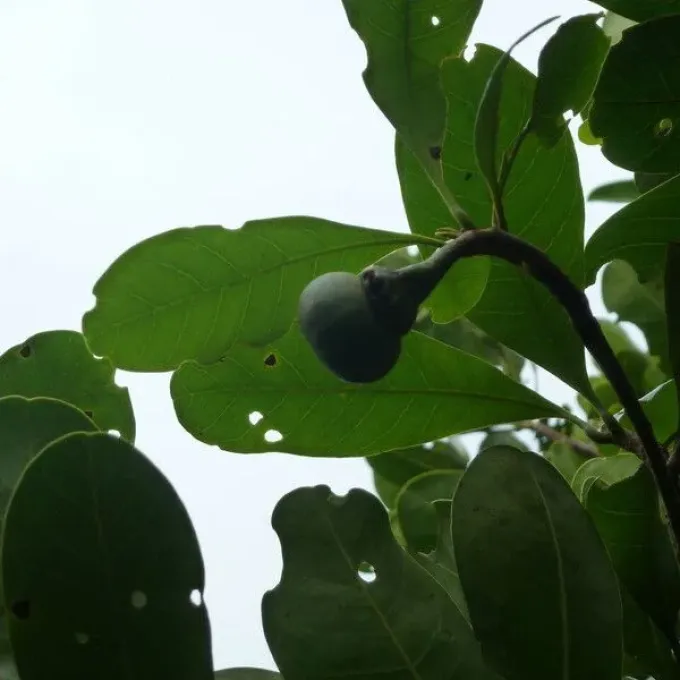
Description
Growing requirements
Sextonia rubra is a significant tree species belonging to the Lauraceae family. Known for its massive stature, it is a dominant feature in its native ecosystems, where it can reach impressive heights and diameters under favorable environmental conditions.
The native range of this species is located in the tropical rainforests of South America. It thrives in regions characterized by consistent rainfall and high humidity, which are essential for maintaining its biological functions throughout the year.
This species requires deep, fertile, and well-drained soils to establish its extensive root system. In plantation management, site selection is critical, as the tree performs poorly in waterlogged soils or environments with significant seasonal temperature stress.
The silvicultural approach for Sextonia rubra involves careful management of light availability and space. As a slow-growing species, it requires years of consistent care to produce high-quality timber with the desired physical characteristics.
Economically, the wood is highly prized for its density and natural resistance to decay and termites. It serves as a superior material for high-end carpentry, shipbuilding, and infrastructure projects that require long-term durability in tropical conditions.
Main diseases and pests
Sextonia rubra is susceptible to various fungal pathogens that thrive in warm and moist forest environments. These infections can impact tree health and timber quality, necessitating rigorous monitoring and site sanitation practices to prevent outbreaks.
Insect pests represent another major threat, particularly wood-boring beetles that target vulnerable trees. Effective pest management strategies prioritize maintaining tree vigor and biodiversity within the plantation to keep insect populations below damaging thresholds.