
Potoxylon melagangai
Potoxylon melagangai
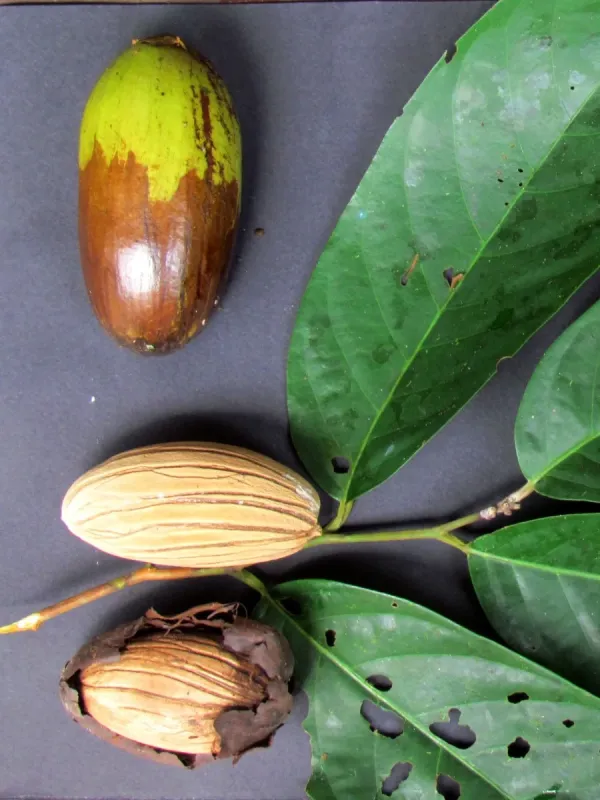
Description
Growing requirements
Potoxylon melagangai is a large evergreen tree species belonging to the Lauraceae family. It is natively distributed across the tropical rainforests of Southeast Asia, with a primary focus on the island of Borneo.
The tree thrives in hyper-humid tropical environments characterized by consistent year-round rainfall and high temperatures. It typically prefers deep, well-drained soils found in lowland dipterocarp forests.
Botanically, this species is noted for its substantial, straight trunk and thick, leathery leaves that are typical of the laurel family, allowing it to survive under the dense forest canopy.
As a slow-growing species, it takes a significant amount of time to reach maturity, which contributes to the density and high mechanical strength of its heartwood.
The timber is highly sought after for specialized construction purposes, furniture, and projects requiring extreme durability and resistance to moisture and pest degradation.
Yield
The yield of Potoxylon melagangai is measured in terms of timber volume per hectare within managed or natural forest landscapes, rather than annual crop cycles.
Given its very slow growth rate, the extraction process is strictly regulated to avoid depleting natural stocks, as the forest takes decades to recover from selective logging.
Biomass production is optimal in mature forest ecosystems where the tree has access to deep soil nutrients and protection from extreme weather conditions.
Quality timber output is generally high due to the lack of internal defects in healthy mature trees, making them a preferred source for high-quality wood products.
Sustainable forest management practices are essential to ensure that timber harvesting rates do not exceed the natural replenishment rate of the population.
Main diseases and pests
The primary threat to the sustainability of Potoxylon melagangai is the conversion of its native forest habitats into industrial monoculture plantations, particularly oil palm.
Insect pests, such as wood-boring beetles, can affect the wood quality, especially in trees that have been compromised by environmental stress or physical damage.
Pathogenic fungi can pose a risk to the development of seedlings and saplings if forest management practices lead to stagnant water or poor air circulation.
Climate change, specifically prolonged drought episodes in the region, limits the regeneration capacity of the species and increases the vulnerability of mature individuals.
Conservation efforts, including habitat protection and the establishment of botanical reserves, are vital to preventing the loss of this biologically important timber species.