
Mezilaurus ita-uba
Mezilaurus ita-uba
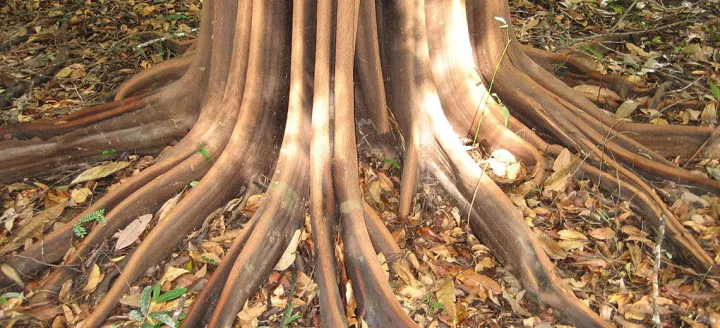
Description
Growing requirements
Mezilaurus ita-uba is a majestic species belonging to the Lauraceae family. Known for its massive growth habit, this evergreen tree can reach heights of up to 40 meters and is a vital component of the Amazonian rainforest canopy.
For successful cultivation, this species requires deep, well-drained soils with a high content of organic matter. It thrives in locations where soil aeration is sufficient to prevent root rot and promote healthy growth.
Climate requirements for the tree are strictly tropical, necessitating stable high temperatures and consistent rainfall throughout the year. It does not tolerate prolonged frost or severe drought conditions.
In terms of forestry management, Mezilaurus ita-uba requires careful spacing to ensure adequate light penetration during its initial growth phases, which supports the development of a straight, high-quality timber trunk.
The economic value of this tree is defined by its exceptional wood, which is dense, oily, and highly resistant to decay, moisture, and termite attacks, making it a premier choice for outdoor construction.
Main diseases and pests
The primary threats to young Mezilaurus ita-uba saplings include leaf-cutting ants and various lepidopteran larvae, which can defoliate young trees and significantly stunt their development during the establishment phase.
Pathogenic fungi can pose a risk to the root system if the planting site lacks proper drainage, leading to symptoms of dieback and decay that can compromise the health of the entire tree.
Forestry experts recommend regular monitoring of the bark and trunk to detect signs of wood-boring insects, which can create galleries that decrease the timber's quality and market value.
Preventive measures include maintaining appropriate stand density to allow for air circulation, which helps manage humidity levels and reduces the risk of fungal proliferation in the lower canopy.
Despite these vulnerabilities, established mature trees exhibit a notable level of natural resilience, largely attributed to the chemical properties of the wood that naturally deter many types of pests.