
Lindera umbellata
Lindera umbellata
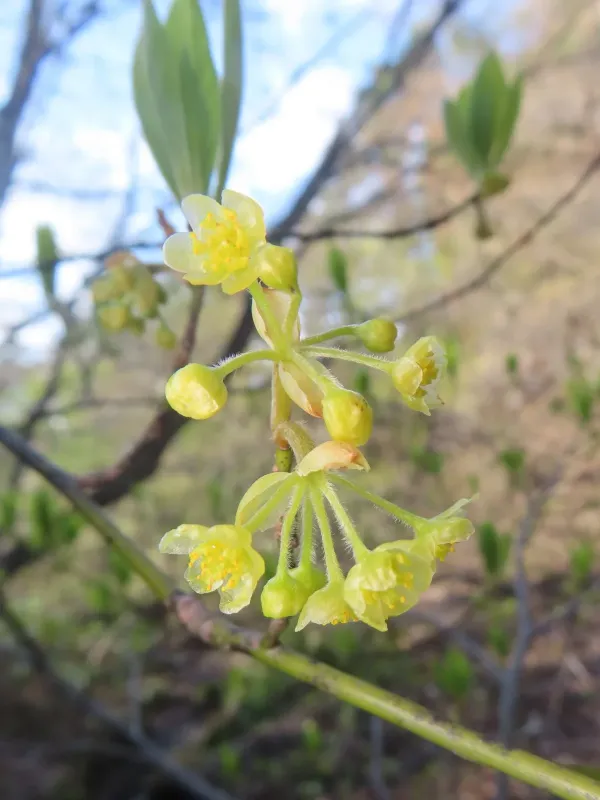
Description
Sowing dates
Propagation of Lindera umbellata is primarily achieved through seeds. Sowing should take place in the autumn, either directly in open ground or in containers, as the seeds require cold stratification for 2–3 months to break dormancy.
When sowing in a protected environment, the optimal temperature for germination is between 15 and 18 degrees Celsius. It is crucial to maintain consistent moisture levels in the substrate, preventing both desiccation and waterlogging, which can be fatal to young seedlings.
An alternative method of propagation involves using softwood cuttings taken during mid-summer. These cuttings require treatment with rooting hormones and must be planted in a light, well-draining substrate under plastic or glass to maintain high air humidity.
Transplanting young plants to their permanent location is best performed in the spring, once the threat of frost has passed. To ensure better establishment, the root system should be thoroughly watered before and after planting.
As a slow-growing shrub, Lindera umbellata requires special attention during its first few years, particularly in keeping the root zone free from weeds and ensuring the plant has enough space to establish its root system.
Growing requirements
Lindera umbellata, a member of the Lauraceae family, is a deciduous shrub native to the woodlands of Japan, Korea, and China. This species prefers sheltered locations protected from strong winds, with partial shade or filtered sunlight.
Soil requirements for optimal growth include well-drained, slightly acidic to neutral soil that is rich in organic matter. Stagnant water in the root zone is detrimental and may lead to the development of fungal infections and root rot.
The plant is suited for temperate climates. While it possesses moderate frost tolerance, young specimens in regions with harsh winters require protective mulch around the base to insulate the roots and prevent excessive drying of the soil.
Humidity is essential for successful growth; therefore, supplemental watering is recommended during dry spells. Mulching with peat, pine needles, or wood chips helps retain moisture and maintain the preferred soil acidity levels over time.
The ornamental value of this plant is high throughout the seasons: it features small, yellow flowers in spring, lush glossy foliage in summer, and spectacular, vibrant leaf colors and berries in the autumn.
Yield
The economic utility of Lindera umbellata is centered on the extraction of essential oils, which are present throughout the plant but concentrated in the leaves and fruit. Yields vary depending on the age of the shrub and the growing conditions provided.
Beyond essential oils, the wood of the shrub is valued in traditional applications. In Japan, young stems and branches are historically utilized to manufacture specialized aromatic toothpicks that possess mild antiseptic qualities.
Biological productivity in garden settings is primarily appreciated for its aesthetic contribution. Commercial harvesting of raw material for industrial processing is generally only viable once the shrubs reach a maturity of 5–7 years.
The fruit of the Lindera consists of small, fleshy drupes that turn a deep red or nearly black upon ripening. These are rarely consumed directly as food but are often used as raw materials in extraction industries for fragrances and herbal extracts.
Regular sanitation and pruning help maintain the health of the plant and can stimulate the growth of lateral branches, indirectly increasing the vegetative biomass available for potential harvest or maintenance purposes.
Main diseases and pests
Lindera umbellata possesses a robust natural immunity; however, poor agronomic practices can leave it vulnerable to various pathogens. The most significant threat is root rot, which typically develops in soils with poor drainage and excessive moisture.
Among pests, sucking insects such as aphids and spider mites pose the greatest danger. These pests are particularly active on young, tender shoots during hot and dry summer conditions, causing leaf curling and reduced vigor.
To combat fungal diseases, copper-based fungicides are often employed, coupled with regular thinning of the canopy to improve air circulation and reduce humidity within the shrub's structure. Prompt removal of damaged branches is essential.
Pest management may require the use of targeted insecticides or acaricides if infestations exceed economic or aesthetic thresholds. Additionally, organic sprays or botanical infusions can be effective for managing minor pest outbreaks.
It is important to note that Lindera does not tolerate heavy synthetic fertilization, which can lead to rapid, weak growth. Utilizing organic compost and balanced soil amendments is a more sustainable approach to promoting long-term plant health.