
Lindera triloba
Lindera triloba
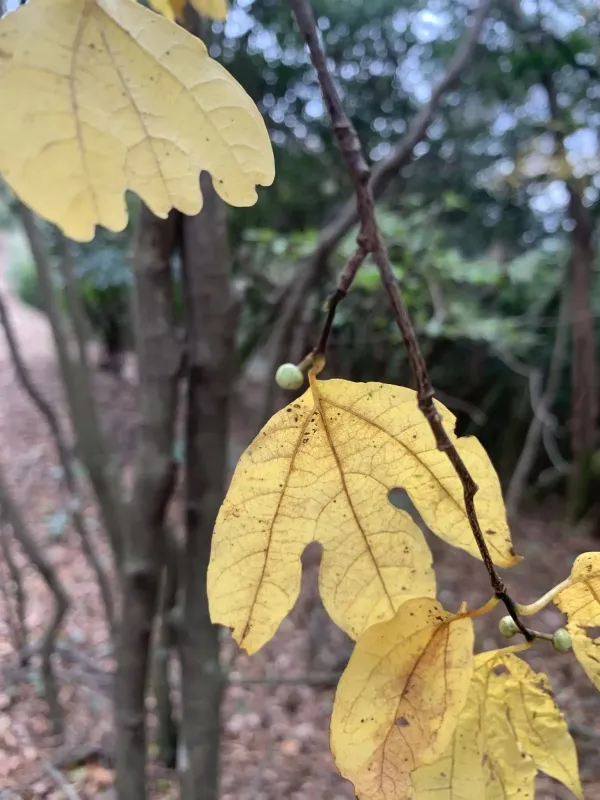
Description
Growing requirements
Lindera triloba is a deciduous shrub belonging to the Lauraceae family. It is highly valued in horticulture for its distinct, three-lobed leaf shape and spectacular golden-yellow autumn foliage that adds significant aesthetic value to any landscape.
Native to the mountain regions of Japan and Eastern Asia, this species thrives in forest-like environments. Its natural habitat dictates that it prefers semi-shaded areas protected from direct, scorching afternoon sun and strong, drying winds.
The cultivation of Lindera triloba requires deep, fertile, and well-drained soils. The plant is sensitive to soil chemistry and performs best in acidic or slightly acidic substrates, which must remain consistently moist throughout the growing season.
In terms of climate, it prefers regions with moderate temperatures and sufficient humidity. It is not drought-tolerant; therefore, regular irrigation during dry summer spells is essential for maintaining plant vigor and foliage quality.
Proper agro-techniques involve generous mulching with organic materials such as leaf mold or pine bark. This mimics the natural forest floor, keeps the root zone cool, and helps maintain the required soil acidity level for optimal nutrient uptake.
Yield
The primary use of Lindera triloba is ornamental. It is widely used in landscape design as a specimen plant, in woodland garden borders, or as part of mixed shrub groupings where its seasonal changes provide visual interest.
Historically and culturally, the plant has specific uses in Japan, where its aromatic branches are crafted into traditional implements for tea ceremonies. The wood possesses a subtle, pleasant fragrance that is sometimes utilized in small-scale craft production.
The shrub is also a subject of interest in botanical research due to its secondary metabolites, including essential oils found in the leaves and wood, which exhibit potential antimicrobial and aromatic properties.
Propagation is typically achieved through seed germination, which is a slow process requiring cold stratification to break dormancy. Alternatively, vegetative propagation via cuttings can be successful under high-humidity conditions in greenhouse settings.
Growth is generally considered moderate. Once established in an ideal location, the shrub remains a long-lived element of the garden, requiring minimal intervention aside from basic maintenance to preserve its shape and health.
Main diseases and pests
Lindera triloba is generally resistant to many common pests; however, it can be susceptible to fungal diseases such as leaf spot or powdery mildew, especially in locations with poor air circulation or excessive humidity levels.
Common garden pests, including aphids and spider mites, may infest the foliage during hot and dry conditions. These pests weaken the plant by feeding on cell sap, which can lead to premature leaf drop if left unmanaged.
To prevent disease outbreaks, it is crucial to perform regular sanitary pruning to remove congested branches, thereby improving airflow through the canopy and allowing sunlight to penetrate the inner sections of the shrub.
When chemical intervention is necessary, the use of targeted systemic insecticides or horticultural oils is recommended during the early stages of infestation to protect the overall vitality of the plant.
- Sanitary pruning to improve air circulation.
- Monitoring for sap-sucking insects in early summer.
- Proper site selection to avoid stagnant air and humidity.