
Lindera sericea
Lindera sericea
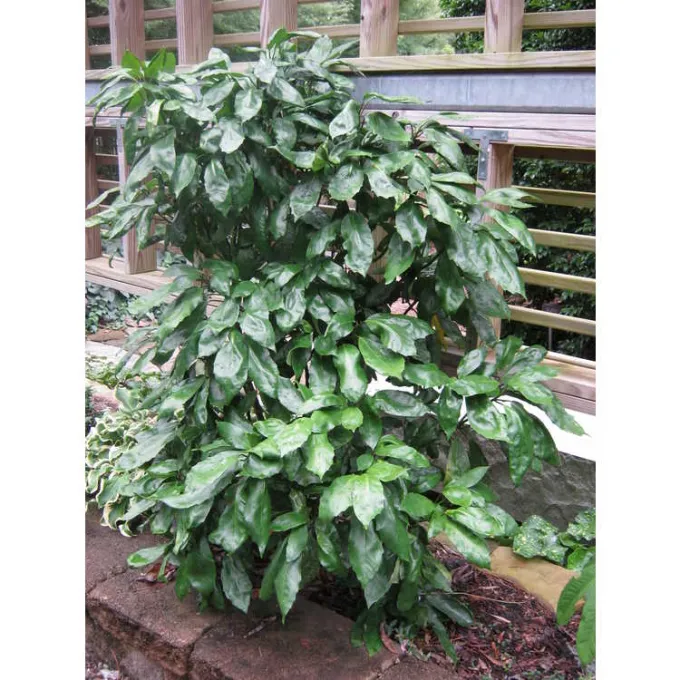
Description
Growing requirements
Lindera sericea is a deciduous shrub that belongs to the Lauraceae family. It is known for its graceful habit and unique silky appearance of the leaves, which gives the plant its specific name.
Native to East Asia, particularly Japan and China, this plant typically inhabits woodland edges and mountain slopes, reflecting its preference for stable, slightly shaded environments.
The cultivation of Lindera sericea requires moist, well-draining, and nutrient-rich soil. It thrives in soils with a slightly acidic pH, mirroring its natural forest floor habitat.
Regarding climate, the plant prefers temperate conditions. While it can handle moderate sun exposure, it performs best when protected from extreme afternoon heat and drying winds.
Its primary agricultural and horticultural utility lies in landscape architecture, where it is used for its foliage and delicate structure, as well as in niche studies regarding its essential oils.
Main diseases and pests
Common health issues for Lindera sericea include root rot and fungal wilt, which are almost exclusively caused by poorly drained soil or over-watering in compacted substrates.
Pests such as spider mites and scale insects can occasionally infest the shrub, especially in periods of heat stress when the plant's natural defense mechanisms are weakened.
To maintain plant health, it is essential to monitor soil moisture levels and ensure that the root system has adequate access to oxygen through proper soil cultivation.
Integrated pest management strategies, including the use of neem oil or targeted biological controls, are effective in mitigating the impact of recurring pest populations.
Pruning should be performed during the dormant season to remove dead or diseased wood, which not only improves plant aesthetics but also reduces the risk of future pathogen colonization.