
Lindera praecox
Lindera praecox
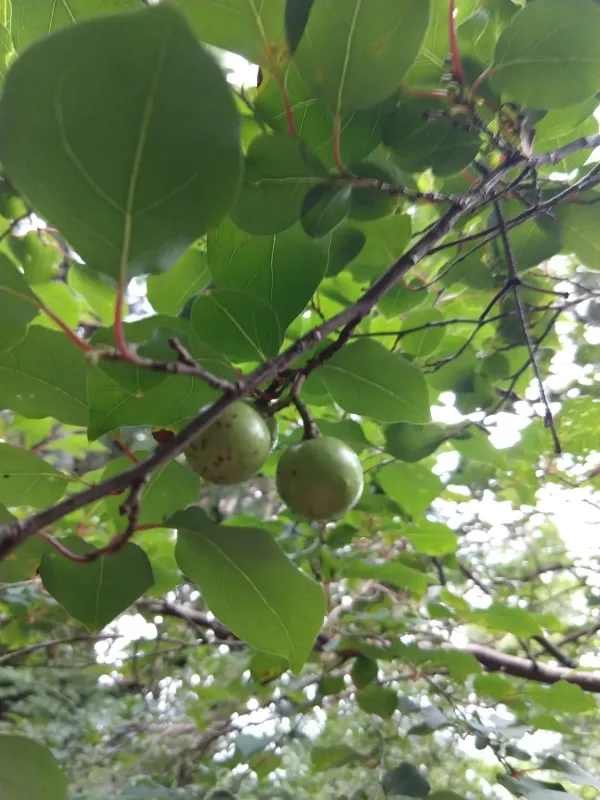
Description
Sowing dates
Propagation of Lindera praecox is typically achieved through seed sowing or semi-hardwood cuttings. Seeds should be sown as soon as they are harvested in the autumn, as they lose viability rapidly if allowed to dry out.
Seeds require a period of cold stratification to break dormancy. In professional nurseries, seeds are sown in containers with a well-drained, peat-based mix to ensure healthy germination.
Vegetative propagation via semi-hardwood cuttings is also a standard practice for maintaining genetic consistency. Cuttings are taken in mid-summer and kept under mist systems to promote root development.
Transplanting into the permanent location should be planned for the early spring, allowing the roots to establish before the onset of summer heat.
When planting, it is crucial to select a site that mimics the plant's natural habitat, providing protection from harsh, drying winds that can damage tender new growth.
Growing requirements
Lindera praecox, a member of the Lauraceae family, is a deciduous shrub native to East Asian forests, particularly in Japan and South Korea.
The plant thrives in acidic to neutral soils that are rich in organic matter. Proper drainage is essential, as the roots are sensitive to waterlogged conditions which may lead to rot.
While the plant prefers a temperate climate with regular rainfall, it demonstrates good adaptability to various settings if irrigation is provided during dry spells.
Regarding light, it performs best in partial shade to dappled sunlight. Full sun is acceptable if soil moisture is maintained, but excessive exposure can bleach the foliage.
Maintenance involves routine mulching with organic material to keep the root system cool and retain moisture, which is vital for the plant's long-term health.
Yield
The economic value of Lindera praecox lies primarily in its ornamental appeal and its potential as a source of high-quality essential oils used in aromatherapy and perfumery.
The plant is highly regarded in landscape architecture for its early spring blooms, which appear before the leaves, creating a spectacular aesthetic effect.
In addition to its beauty, the foliage provides a dramatic seasonal transformation, turning brilliant shades of orange and yellow in the autumn.
Historically, various parts of the plant have been used for small-scale woodcraft and local herbal traditions, reflecting the versatile nature of the Lauraceae family.
Current production focuses on high-value niche market landscaping, where it is sought after for its elegance and relatively low-maintenance nature in appropriate conditions.
Main diseases and pests
Lindera praecox is relatively resilient against most common garden pests, provided it is grown in suitable environmental conditions.
The main threat to plant vigor is root rot, which typically occurs in compacted soils with poor drainage. Monitoring soil moisture is the primary preventive measure.
Pests such as spider mites may occasionally appear during periods of prolonged drought. Keeping the plant properly hydrated generally discourages such infestations.
Maintaining good airflow around the shrub canopy helps prevent fungal issues like powdery mildew, especially in humid or stagnant environments.
Regular sanitation, such as removing dead or damaged branches, is encouraged to ensure the shrub remains healthy and productive throughout its growing cycle.