
Lindera oxyphylla
Lindera oxyphylla
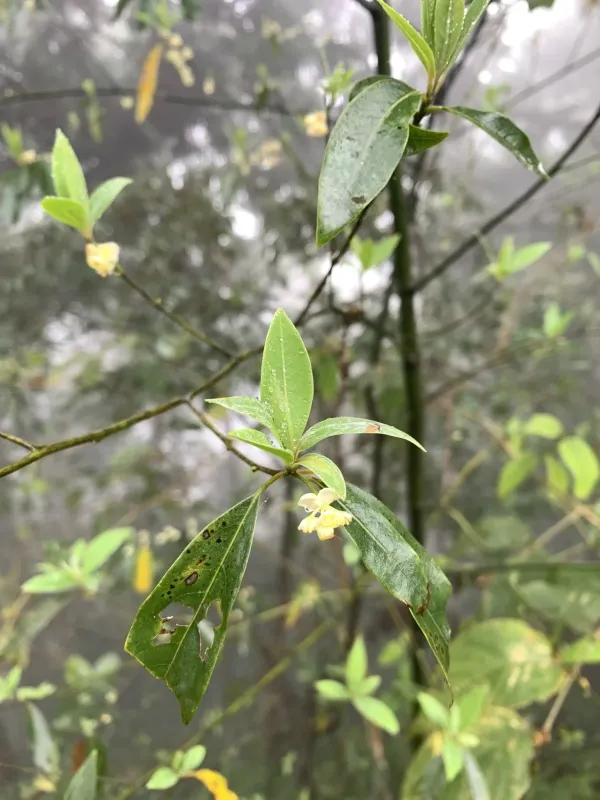
Description
Growing requirements
Lindera oxyphylla is a distinctive species within the Lauraceae family, characterized by its evergreen foliage and aromatic properties commonly found in tropical and subtropical regions of Southeast Asia.
The plant thrives in humid, shaded environments, mirroring its natural forest habitat. It requires high atmospheric humidity and is sensitive to long periods of dry weather or extreme heat.
Regarding soil requirements, this crop demands acidic to neutral, well-draining soils with high organic matter content. Regular mulching is highly recommended to maintain soil moisture and nutrient stability.
Climate adaptation for Lindera oxyphylla necessitates a frost-free environment. It is best suited for regions where seasonal temperature fluctuations are minimal, ensuring continuous metabolic activity.
From an agricultural standpoint, the species is primarily managed for the extraction of essential oils from its leaves and twigs, which are utilized in both traditional medicine and high-end fragrance industries.
Main diseases and pests
Root rot pathogens, particularly those exacerbated by poor soil drainage and waterlogging, present the most significant threat to the survival and health of Lindera oxyphylla plantations.
Fungal infections such as powdery mildew can compromise the integrity of the foliage, especially when the plants are grown in confined or poorly ventilated conditions that trap excessive moisture.
Insects like scale insects and spider mites frequently target the plant in nursery settings, leading to reduced growth vigor and potential loss of aesthetic or economic value of the biomass.
Nematode infestations can occur when the crop is established on sandy soils without proper sanitization, potentially requiring soil fumigation or the application of biological control agents.
Effective management strategy relies on strict sanitary protocols, proper plant spacing to allow airflow, and the use of integrated pest management to minimize the reliance on chemical inputs.