
Japanese spicebush
Lindera obtusiloba
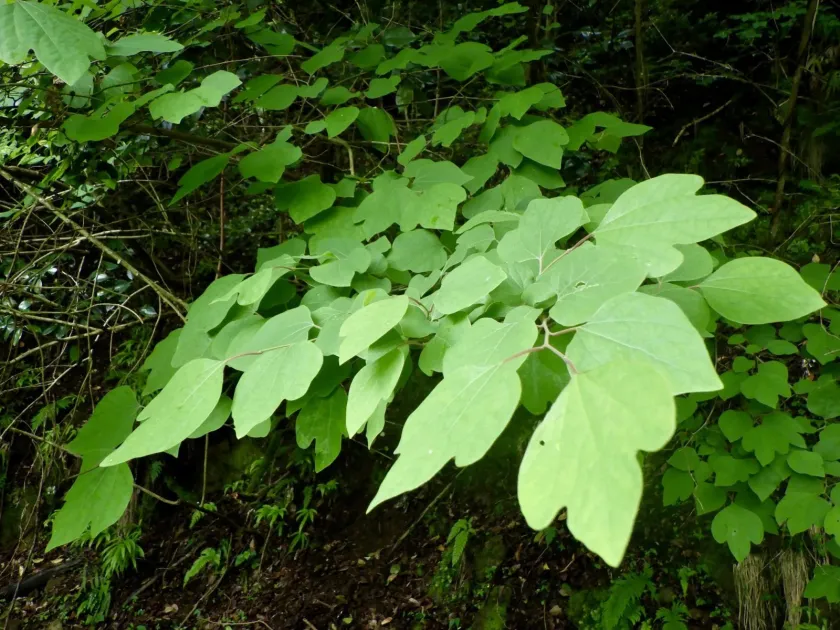
Description
Growing requirements
Lindera obtusiloba, commonly known as the Japanese spicebush, is a woody perennial belonging to the Lauraceae family. It is a deciduous shrub that is highly valued for its aromatic foliage and attractive yellow autumn colors.
The plant thrives in well-drained, fertile soil that maintains consistent moisture. It performs best in soils with a slightly acidic profile and requires protection from deep shade, as it needs sunlight to develop its unique fragrance compounds.
Regarding climate, this species prefers temperate zones with moderate rainfall. While it has some cold tolerance, it is essential to shelter young specimens from harsh winds to prevent dieback during the first winter seasons.
The agricultural management of this plant focuses on maintaining soil structure through organic amendments and ensuring proper spacing to prevent competition for nutrients and solar radiation.
Economically, Lindera obtusiloba is primarily cultivated for its high-quality essential oils, which are utilized in the perfume and pharmaceutical industries for their therapeutic and sensory properties.
Main diseases and pests
Like many species in the laurel family, the Japanese spicebush can be susceptible to root rot if the soil conditions become overly saturated, making drainage the most critical factor in its survival.
Typical pest concerns involve spider mites and leaf-sucking insects that thrive in dry, stressed environments. Regular monitoring of the underside of leaves is necessary to catch early infestations.
Fungal pathogens such as powdery mildew can affect the foliage during humid seasons, particularly if there is insufficient air circulation within the shrub canopy.
Integrated pest management strategies are recommended, including the physical removal of infected leaves and the use of natural horticultural oils to keep pest populations at a manageable level.
Cultural practices such as pruning in the early spring help to improve light penetration and air movement, which significantly reduces the risk of pest and disease development throughout the growing season.