
Lindera melissifolia
Lindera melissifolia
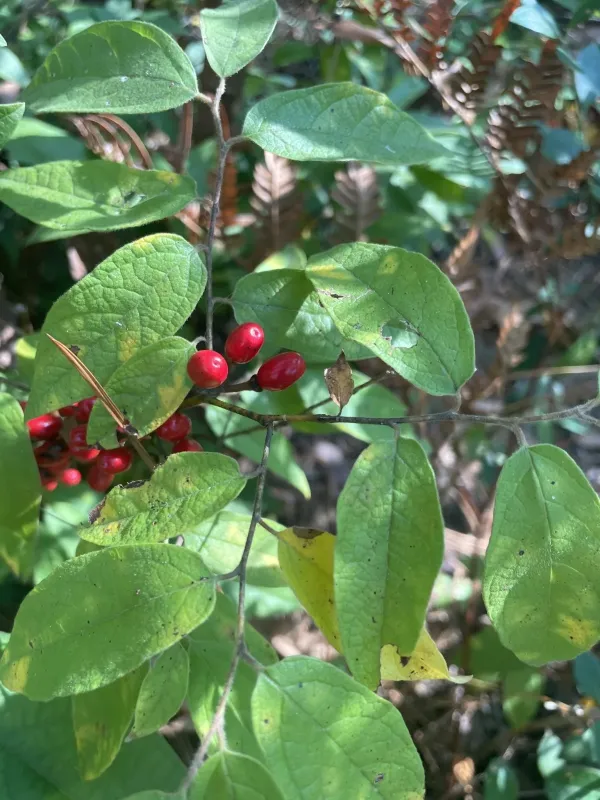
Description
Growing requirements
Lindera melissifolia, commonly known as pondberry, is a deciduous shrub belonging to the Lauraceae family. It is recognized for its very specific habitat requirements and is native to the southeastern parts of the United States.
The plant is uniquely adapted to thrive in seasonally flooded forests, pond margins, and wet, swampy depressions. These areas must maintain high soil moisture levels throughout the growing season to support its physiological processes.
Biologically, the species propagates primarily through rhizomes, forming dense clonal colonies in undisturbed wet environments. The leaves contain volatile oils that produce a distinct, pleasant aroma resembling lemon balm, from which it derives its specific epithet.
Regarding climate, this shrub demands humid, sheltered environments often found in the understory of bottomland forests. It does not tolerate prolonged drought or exposure to harsh, drying wind conditions, which can be fatal to the young shoots.
Because of its status as an endangered species, it is not cultivated for commercial agricultural use. Conservation efforts are focused on restoring natural hydrology in its native range rather than intensive agricultural development.
Main diseases and pests
The primary threat to the survival of Lindera melissifolia is the alteration of hydrology, specifically the drainage of wetlands for agricultural conversion and urban development.
Invasive species represent another significant risk, as non-native plants often outcompete the shrub for space, water, and essential nutrients in sensitive wetland zones.
Agricultural runoff containing nitrogen and pesticides can disrupt the fragile soil chemistry required for the shrub to persist in its limited, fragmented populations.
Physical habitat degradation caused by livestock grazing or logging operations within its immediate vicinity can lead to the rapid decline of entire clonal colonies.
Strategic management of the species involves rigorous monitoring and legal protection to prevent further loss of genetic diversity and habitat fragmentation.