
Lindera megaphylla
Lindera megaphylla
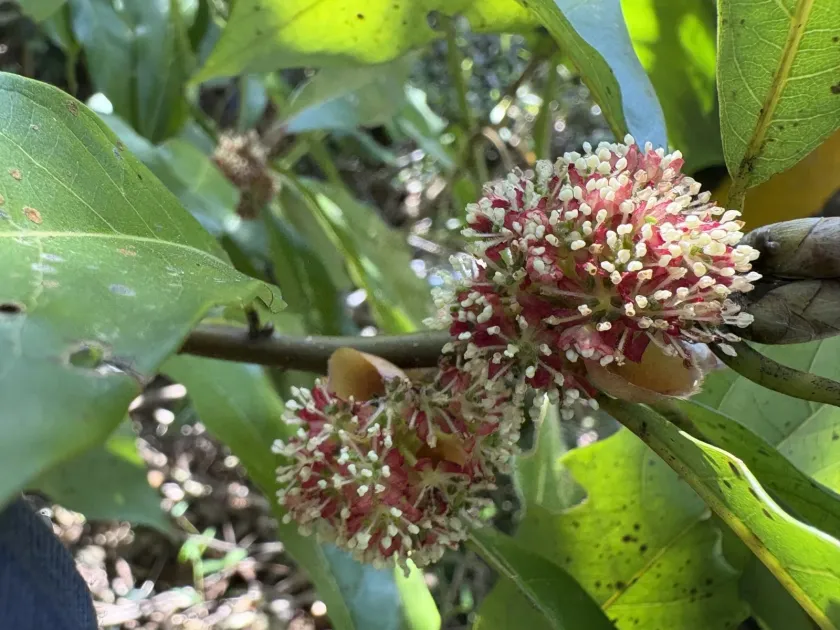
Description
Growing requirements
Lindera megaphylla is an evergreen tree species belonging to the Lauraceae family, native to the subtropical forests of China. It is highly valued for its large, glossy, lanceolate leaves that emit a distinct aroma when crushed.
This crop thrives in warm, humid climates with well-distributed rainfall. It is not cold-hardy and requires protection from frost, making it suitable for greenhouses or milder geographical regions.
Soil requirements are quite specific: it prefers deep, nutrient-rich, acidic to neutral soils with excellent drainage. Waterlogging is detrimental to the root system and must be strictly avoided.
Agrotechnical practices involve maintaining consistent soil moisture, particularly during the growing season, and providing supplemental organic fertilization to promote vigorous leaf production.
As an evergreen, the tree requires minimal pruning, but periodic thinning of the canopy is recommended to ensure light penetration and improve airflow, which is essential for plant health.
Yield
The primary economic use of Lindera megaphylla is the extraction of essential oils, which are highly sought after in the fragrance, flavor, and pharmaceutical industries due to their anti-inflammatory properties.
The wood of the tree is characterized by high density and a fine texture, making it a valuable raw material for the production of high-end furniture and artisanal woodcrafts.
In traditional medicine, parts of the plant are utilized for their potential health benefits, including boosting metabolic functions and soothing muscle spasms.
From an aesthetic perspective, the species serves as a significant ornamental plant in landscape design, creating lush, year-round greenery for gardens and park environments.
The yield of raw material is optimized through disciplined harvesting schedules, ensuring that leaves are collected during their peak chemical content phase to maximize oil extraction efficiency.
Main diseases and pests
The crop is susceptible to various fungal diseases, particularly leaf spots and powdery mildew, which thrive in conditions of high humidity and poor ventilation within the canopy.
Common insect pests include scale insects and spider mites that colonize the undersides of leaves, weakening the plant by draining sap and causing chlorosis.
Root rot, often a result of improper irrigation management or poor soil drainage, remains the most significant threat to the survival of young and established trees alike.
Effective pest management involves integrated strategies, combining biological controls and systemic insecticides, while prioritizing preventive hygiene by removing fallen debris.
Proper spacing during planting is critical to mitigate disease spread, as it ensures adequate drying of foliage after rainfall and allows for effective monitoring of plant vigor.