
Shining Lindera
Lindera lucida
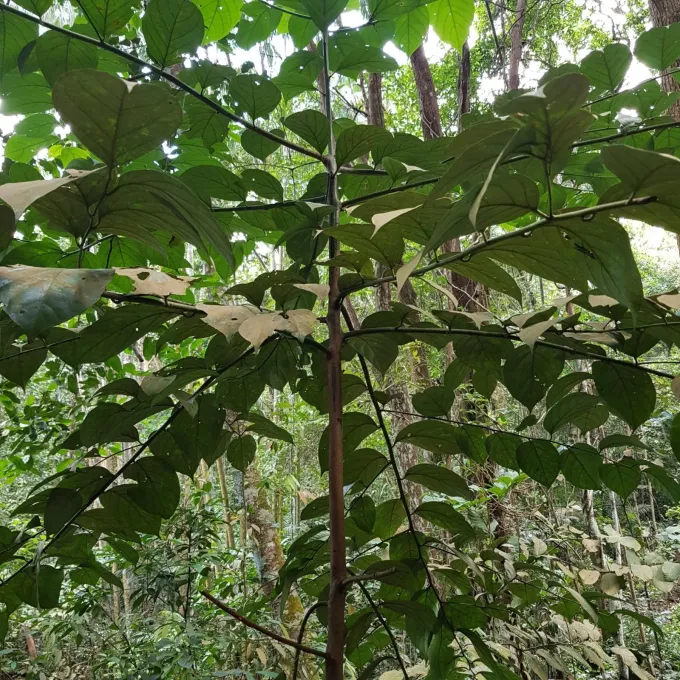
Description
Growing requirements
Shining Lindera (Lindera lucida) is a distinctive member of the Lauraceae family, characterized by its shiny, leathery leaves and significant aromatic properties. It functions both as an ornamental specimen and a source of essential oils in its native ecosystem.
Originating from humid Asian regions, this plant thrives in subtropical climates where moisture levels remain relatively stable throughout the year. It does not tolerate prolonged frost or extreme drought, necessitating careful site selection.
The plant requires well-draining, fertile soil with a slightly acidic to neutral pH level. Proper site preparation, including the incorporation of organic matter, is crucial to support its root health and long-term vitality in the field.
Agricultural management centers on consistent hydration and appropriate light exposure. While it can handle partial shade, optimal growth rates are usually achieved in locations that offer dappled sunlight throughout the day.
Economic importance lies primarily in the ornamental horticulture sector and potential pharmaceutical research. The essential oils derived from its foliage and wood contribute to its value as a specialty crop in certain botanical circles.
Main diseases and pests
Pathogen threats primarily include fungal infections that manifest as leaf spots when air circulation is poor. Maintaining adequate spacing between individual plants is the most effective cultural practice to prevent such issues.
Pest infestations such as scale insects and spider mites can occasionally affect the plant, particularly in sheltered or greenhouse environments. Integrated pest management, including regular monitoring, is recommended for healthy crops.