
Lindera glauca
Lindera glauca
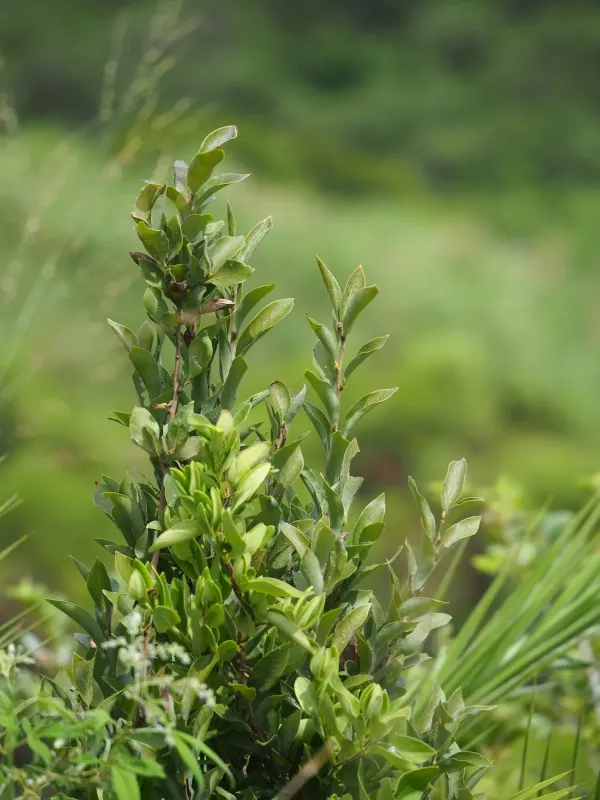
Description
Growing requirements
Lindera glauca belongs to the Lauraceae family. It is a perennial deciduous shrub prized for its high ornamental value and the presence of valuable essential oils found in its leaves and berries.
The species originates from East Asia, including Japan, Korea, and China. In its natural habitat, it prefers forest edges and mountain slopes, requiring protection from strong winds and intense direct sunlight in southern regions.
For successful growth, Lindera glauca requires fertile, slightly acidic or neutral, well-drained soils. The plant is extremely sensitive to waterlogging, necessitating the creation of a proper drainage layer in areas with high water tables.
The crop has moderate climate requirements, preferring regions with mild winters. Despite a degree of frost resistance, young saplings in temperate climates need protective mulching around the root zone during their first years.
Agrotechnical practices include regular watering during dry spells and mulching with organic matter to retain moisture. Fertilizer application is recommended in spring using balanced formulas for ornamental shrubs.
Yield
The commercial use of Lindera glauca focuses on extracting essential oils used in the perfume and pharmaceutical industries. Its leaves also contain bioactive compounds known for their antioxidant properties.
In landscaping, this shrub is valued for its stunning autumn foliage, which turns deep bronze and red colors. This makes it a popular choice for hedges and decorative garden accents.
The berries of the shrub are of interest to the food industry as a source of natural flavorings. In their native regions, they are also used in traditional medicine due to their specific chemical composition.
Raw material collection is performed either mechanically or manually. For essential oil production, leaves harvested during peak vegetative growth before autumn discoloration are considered the highest quality.
Yield depends on the age of the bush and planting density. With proper management, established plantations provide a stable annual output of vegetative mass for up to two decades.
Main diseases and pests
The main threats to the crop are root rots caused by poor watering practices and soil waterlogging. Strict monitoring of substrate moisture levels is highly recommended.
Common pests include scale insects and aphids, which can damage young shoots in spring. Preventive applications of systemic insecticides effectively manage these pest populations.
Lindera glauca may suffer from leaf chlorosis when grown in alkaline soils. Chelated iron fertilizers applied as root drench or foliar spray are used to correct nutrient deficiencies.
Fungal leaf spots can occur in dense plantings with poor air circulation. Regular sanitary and thinning pruning helps minimize the risk of disease outbreaks within the canopy.
Protecting the bark from rodent damage during winter is essential, as significant stem injury can lead to severe weakening or death of the shrub.