
Lindera erythrocarpa
Lindera erythrocarpa
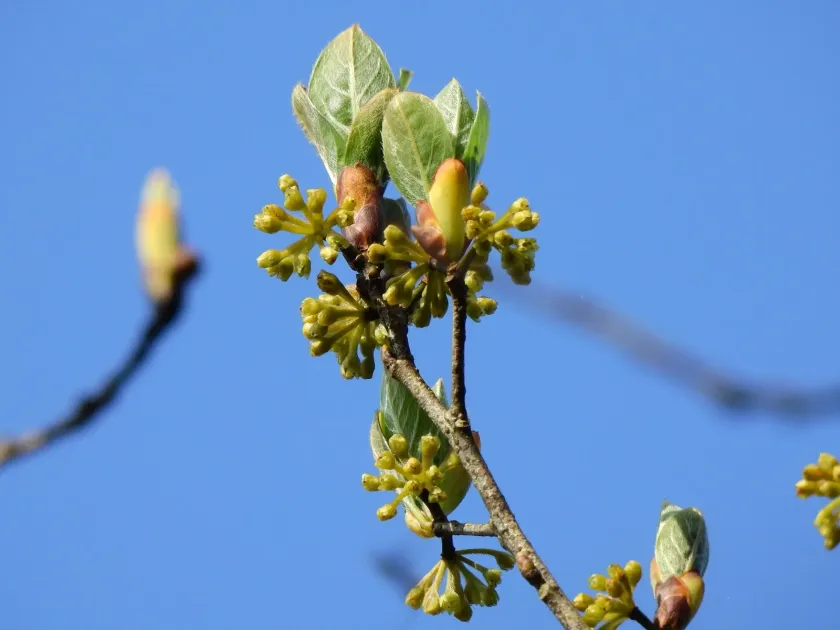
Description
Sowing dates
Propagating Lindera erythrocarpa from seeds requires a period of cold stratification, typically lasting 3 to 4 months, to break dormancy and ensure uniform germination.
The best sowing practice involves planting seeds in autumn in prepared seedbeds, allowing them to undergo natural temperature cycles during the winter season.
Vegetative propagation via softwood cuttings is also common, performed in early summer using a rooting hormone and maintained in a humid environment.
When transplanting young seedlings, ensure a spacing of at least 2 to 3 meters, as the plant eventually develops a broad and dense crown.
Newly established plants require consistent irrigation during the first two years of growth to develop a deep and resilient root system in their permanent site.
Growing requirements
Belonging to the Lauraceae family, Lindera erythrocarpa is a deciduous shrub or small tree native to the temperate regions of East Asia.
The plant thrives in fertile, well-drained soils that are slightly acidic to neutral, requiring high levels of organic matter for optimal performance.
It prefers full sun to partial shade; however, protection from harsh, drying winds is crucial for maintaining the integrity of its leaves and twigs.
Consistent soil moisture is vital for this species, as it naturally originates from habitats characterized by regular rainfall and humid atmospheric conditions.
In terms of temperature, it is relatively hardy but benefits from mulching around the root zone to protect it from extreme soil temperature fluctuations.
Yield
The primary harvest consists of its bright red, globose fruits, which are highly valued in ornamental gardening for their vivid visual impact in late autumn.
The leaves, twigs, and fruits contain essential oils that are investigated for their aromatic properties and potential use in the fragrance industry.
Traditional medicinal applications in East Asia utilize extracts from the bark and fruits, which are believed to possess various health-promoting compounds.
In landscaping, the plant is harvested as a high-value specimen for arboretums and gardens designed to provide four-season interest due to its striking fruit display.
The fine-grained wood of the Lindera genus is occasionally used for small-scale woodworking and crafting, valued for its durability and pleasant scent.
Main diseases and pests
Root rot is the most common physiological threat, often caused by waterlogging or poor drainage, which can rapidly kill the plant if left unaddressed.
Nutrient deficiencies, particularly iron or magnesium chlorosis, frequently occur in alkaline soils, necessitating the application of chelated micronutrients.
Pests like spider mites and scale insects can infest the plant, particularly in sheltered or excessively dry locations, requiring integrated pest management.
Fungal leaf spot diseases can appear during periods of high humidity and poor airflow, which can be mitigated through proper pruning and sanitization.
Regular monitoring of the foliage and stems is essential for early detection of these issues, allowing for timely intervention with appropriate biological or chemical controls.