
Lindera cercidifolia
Lindera cercidifolia
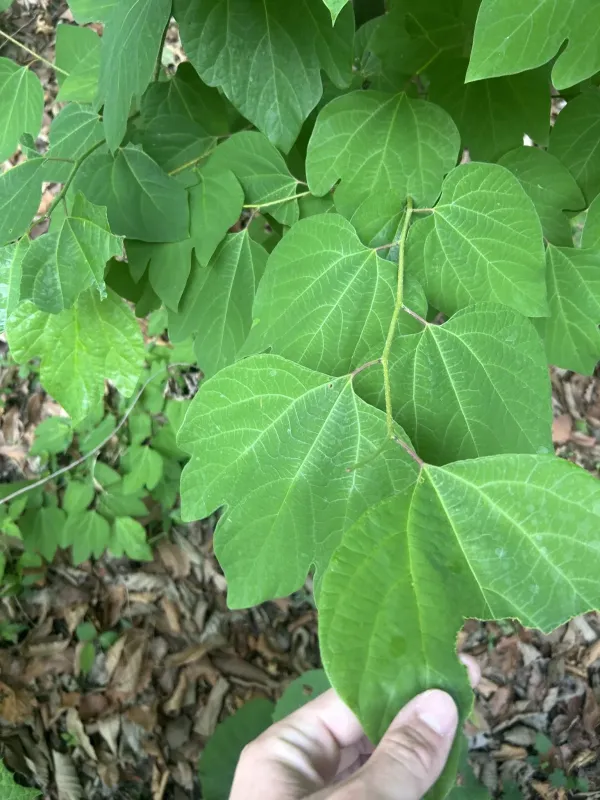
Description
Growing requirements
Lindera cercidifolia is a deciduous shrub or small tree belonging to the Lauraceae family. Native to East Asia, specifically Japan and China, this species thrives in forest environments where it enjoys dappled sunlight and protection from harsh conditions.
The plant requires deep, fertile, and well-drained soil. It is particularly sensitive to soil moisture; while it enjoys humidity, it cannot tolerate waterlogging, which often leads to root damage and poor development of the root system.
In terms of climate, it performs best in regions with mild winters and cool, moist summers. It is essential to site the plant in a location protected from cold, drying winds, which can desiccate the young buds during late winter or early spring.
Botanically, Lindera cercidifolia is distinguished by its distinct heart-shaped foliage. The plant produces delicate yellow inflorescences early in the season, often appearing before the leaf buds open, providing a subtle but elegant landscape display.
The primary use of this plant is ornamental. It is favored by collectors and landscape architects for its unique habit and the rich, warm colors its foliage adopts during the autumn season, making it a valuable addition to woodland gardens.
Main diseases and pests
Root rot is the most significant threat to the health of Lindera cercidifolia, usually caused by poor drainage or excessive watering. Ensuring the soil structure remains aerated is the best preventive measure against these pathogens.
Powdery mildew can affect the foliage during periods of high humidity and poor airflow. Regular pruning to improve air circulation within the shrub canopy is highly recommended to mitigate the risk of fungal spread.
Insects like aphids may target tender new growth during the spring season. A prompt inspection of the plant and the application of organic soap-based insecticides can prevent severe infestations from occurring.
Leaf spot diseases, often resulting from moisture trapped on the leaves, can be managed by avoiding overhead watering and removing any affected plant matter immediately to stop the spread of spores.
Chlorosis, or the yellowing of leaves, is a common issue when the soil pH is too high. Maintaining slightly acidic soil conditions is crucial for the plant to absorb essential nutrients efficiently and maintain its vigor.