
Narrow-leaf spicebush
Lindera angustifolia
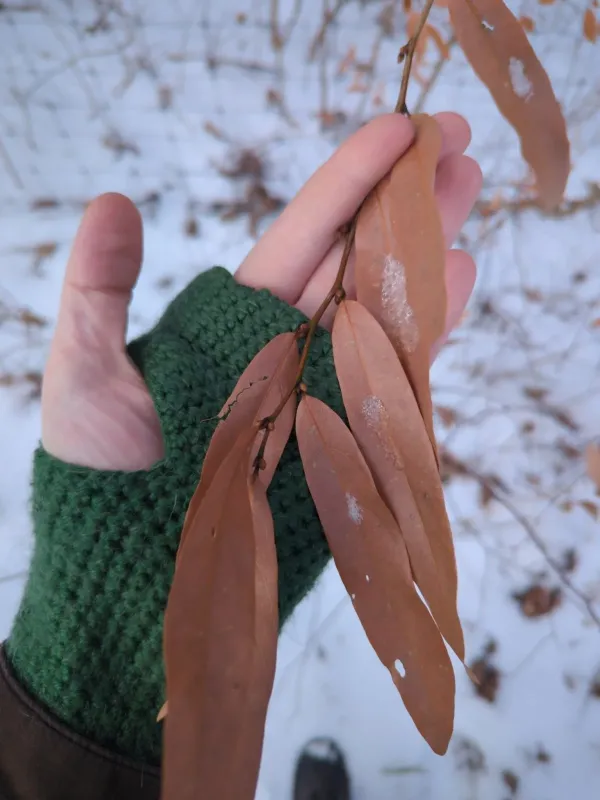
Description
Growing requirements
Lindera angustifolia is a shrub belonging to the Lauraceae family, native to the temperate regions of East Asia. It is valued for its narrow, lanceolate foliage and its aromatic compounds found in its bark and leaves.
The crop requires fertile, well-draining soils with a slightly acidic pH. Consistent moisture is essential for the plant to thrive, although it does not tolerate waterlogging, which can easily damage the root system.
In terms of environment, it prefers partial shade locations that protect it from strong, drying winds. While it is hardy in temperate climates, establishing it in a sheltered site ensures better growth and foliage retention.
Botanically, this shrub exhibits a balanced branching pattern and aesthetic structure, often used in landscape design to add texture. It produces small, yellow flowers that emerge before the new foliage, providing early season interest.
Economically, the species is investigated for its potential in essential oil extraction. The volatile components found within its leaves make it a subject of interest for both the fragrance industry and traditional medicinal research.
Main diseases and pests
Fungal diseases, particularly leaf spots, can occur if there is insufficient air circulation around the plant. Proper spacing is a primary preventative measure to ensure that moisture does not accumulate on the foliage.
Root rot remains the most serious threat to Lindera angustifolia, primarily triggered by poorly drained soil or excessive irrigation. Once established, root pathogens are difficult to manage and can destroy the plant.
Scale insects and aphids are the main pests that affect the stems and young leaves. They weaken the plant by feeding on its sap, which can lead to stunted growth and secondary infections by molds.
Integrated pest management, including regular visual inspections of the bark and foliage, is necessary. Removing affected branches can help limit the spread of pests and prevent systemic decline.
Overall, maintaining the plant's vigor through proper nutrition is the best defense against threats. Healthy, well-nourished specimens show significantly higher resistance to common nursery-related pathogens.