
Lindera aggregata
Lindera aggregata
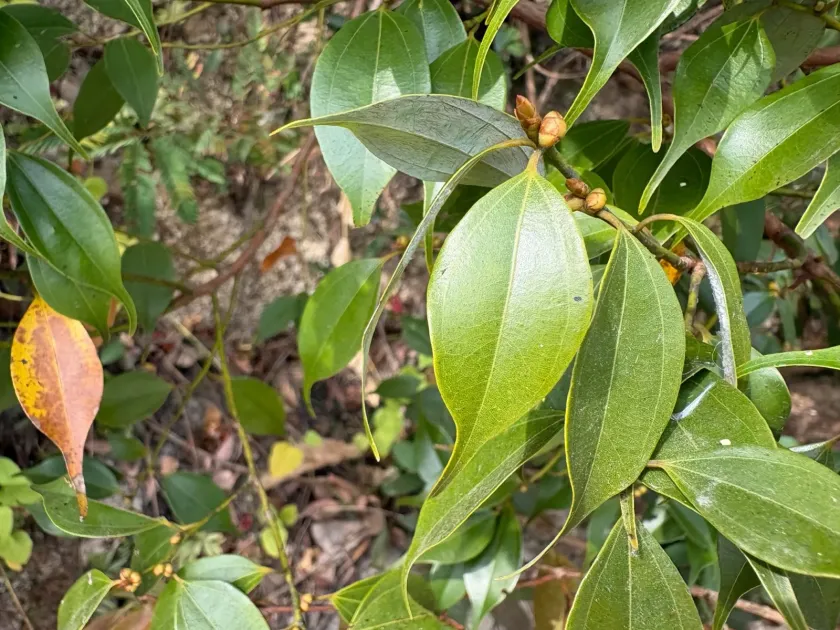
Description
Sowing dates
Sowing seeds of Lindera aggregata is primarily conducted in the spring following mandatory seed stratification. For successful germination, seeds require stable warm temperatures and high substrate moisture during the first 4-6 weeks.
Under natural conditions, reproduction often occurs through self-seeding; however, in cultivation, the container method followed by transplanting is recommended. Seedlings develop slowly, so it is important to provide protection from direct sunlight during the first year of life.
The optimal substrate for sowing is a loose, slightly acidic soil mixture supplemented with peat and sand. Seeds should be sown at a depth of 1-2 centimeters, maintaining constant soil moisture until the first sprouts appear.
Transplanting seedlings into open ground or permanent containers is performed after the formation of 3-4 pairs of true leaves. The plant is sensitive to root system disturbance, so transplanting should be carried out using the transfer method to preserve the root ball.
For vegetative propagation, semi-hardwood cuttings are used, which are harvested in late summer. Rooting is carried out in greenhouse conditions using phytohormones to stimulate root system development.
Growing requirements
Lindera aggregata is a perennial evergreen shrub or small tree belonging to the Lauraceae family. The plant's native range covers the subtropical regions of China, Japan, and Taiwan, where it grows in the understory of mountain forests.
The crop prefers locations protected from strong winds with partial shade. Direct, intense sunlight can cause leaf scorch, especially in young specimens, which slows down the shrub's overall growth rate.
Soil requirements include well-drained, humus-rich soil with a neutral or slightly acidic pH. Waterlogging in the root zone is lethal to the plant and frequently leads to the development of root rot processes.
Lindera is quite demanding regarding air humidity, so supplemental misting is recommended in regions with dry climates. During winter, the plant requires shelter or relocation to a greenhouse, as its cold tolerance is limited.
Agricultural maintenance consists of regular fertilizing with complex mineral fertilizers during the active growing season. Pruning is performed to shape the crown and remove any dead or damaged branches.
Yield
The primary raw materials used in commercial activity are the roots and fruits of Lindera aggregata. Yield depends on the age of the plant and growing conditions; generally, commercial maturity of the roots is achieved no earlier than 5-7 years after planting.
The roots contain essential oils, alkaloids, and flavonoids, making them a valuable ingredient in traditional Eastern medicine. In China, Lindera is actively cultivated on specialized plantations as a medicinal crop.
The fruits also have commercial significance, as oils extracted from them are used in the perfume and food industries. Annual biomass increase in mature specimens is moderate, which limits the intensity of harvesting.
To maintain plantation productivity, it is necessary to follow crop rotation practices and prevent soil depletion. In the wild, the plant's distribution range is limited, making plantation cultivation the primary source of supply.
Economic efficiency is determined by the high demand for Lindera root in the pharmaceutical sector. Proper drying of the raw material allows for the preservation of biologically active substances that define the quality of the final product.
Main diseases and pests
Lindera aggregata is relatively resistant to most common agricultural pests due to the presence of specific essential oils. However, if agricultural conditions are not met, the plant may be susceptible to powdery mildew.
Among pests, scale insects and spider mites pose the greatest threat, as they can multiply rapidly in conditions of high air dryness. Systemic insecticides and acaricides are used for their control.
Root rot is the primary danger when overwatering or poor site drainage occurs. These diseases are difficult to treat, making prevention through moisture control the primary priority for growers.
Leaf-eating insects rarely cause significant economic damage but can act as vectors for viral diseases. Regular monitoring of the plantings allows for the detection of issues at an early stage.
Maintaining adequate spacing during planting ensures good air circulation, which significantly reduces the risk of fungal infections. The use of high-quality planting material is the foundation of the health of the entire crop.