
Alseodaphne semecarpifolia
Alseodaphne semecarpifolia
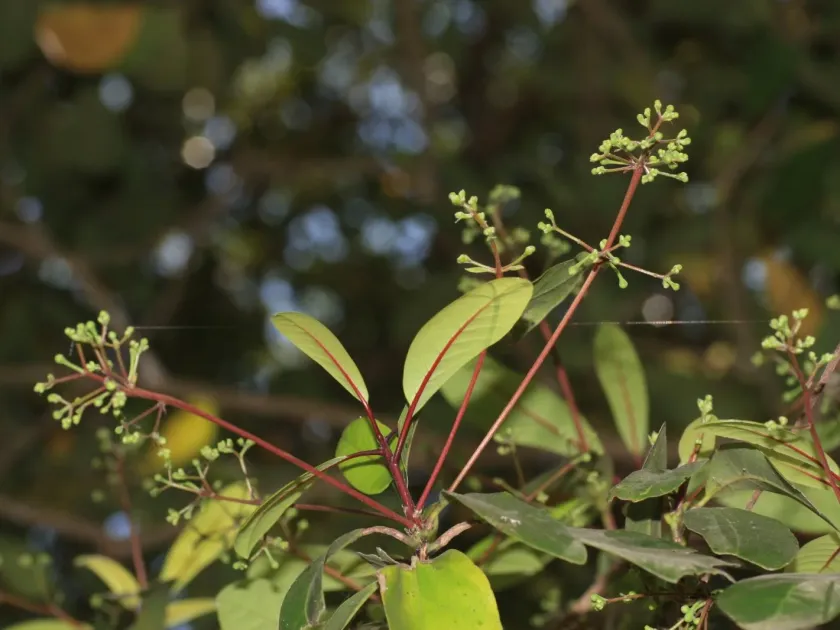
Description
Growing requirements
Alseodaphne semecarpifolia is a prominent evergreen tree species belonging to the Lauraceae family. It is recognized for its robust growth habit and significant canopy density, making it a critical component of its native ecological niche.
The natural range of this species is primarily concentrated in the tropical rainforests of Sri Lanka and parts of South India. It thrives in high-humidity environments and warm climates that facilitate consistent growth cycles throughout the year.
Optimal cultivation requires deep, fertile soils that possess excellent drainage properties. While the species is adapted to tropical conditions, it necessitates careful site selection to avoid waterlogging, which can be detrimental to root health.
The primary economic use of this species involves its high-quality timber, which is highly valued for its durability and structural strength. It is frequently utilized in high-end furniture manufacturing and specialized construction projects.
Agronomic management of this species focuses on sustainable forestry practices, ensuring the long-term viability of the timber supply. Proper spacing and thinning of young stands are essential techniques to ensure individual trees reach their full maturity.
Main diseases and pests
The main pathological threats include fungal infections that affect the root system, often exacerbated by poorly drained soil conditions. Maintaining appropriate soil moisture levels remains the most effective prophylactic strategy for growers.
Pest management is focused on controlling xylophagous insects that can damage the trunk and lower branches. Regular forest inspections and the removal of severely affected stems help prevent the spread of infestations across the plantation.