
Alseodaphne insignis
Alseodaphne insignis
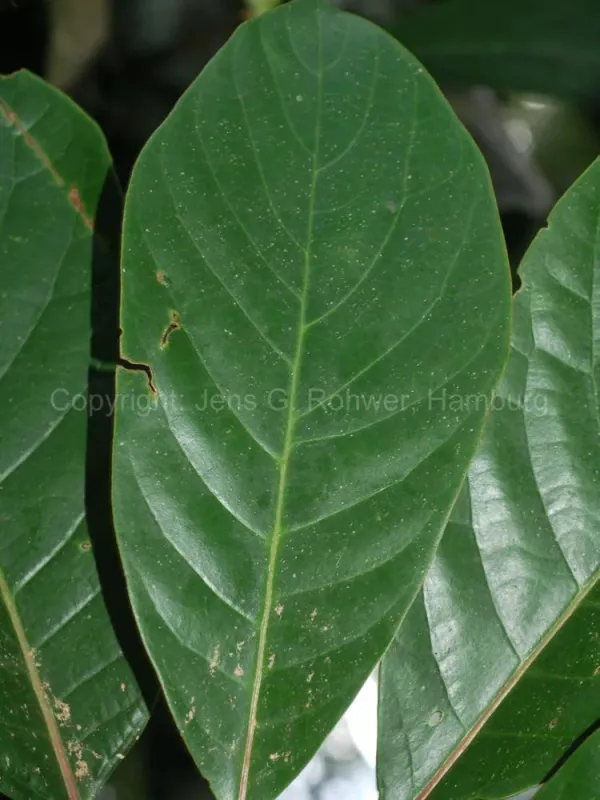
Description
Growing requirements
Alseodaphne insignis is a notable evergreen tree species belonging to the Lauraceae family. Known for its structural integrity, this species is a significant component of tropical forest ecosystems in Southeast Asia, where it thrives in diverse microclimates.
The plant originates from the tropical rainforests of Southeast Asia. It requires a humid environment with high annual rainfall and a consistent temperature range, typical of equatorial regions, to reach its full development potential.
Soil requirements include well-drained, nutrient-rich substrates. The species prefers deep forest soils where moisture is retained but waterlogging is prevented, ensuring that the root system remains healthy and free from oxygen deficiency.
Agricultural management involves careful selection of planting sites and protection during the sapling stage. While it is a robust species when mature, young trees require moderate light and shelter from harsh environmental conditions such as strong tropical winds.
The primary economic value of this culture lies in its timber, which is appreciated for its durability and resistance to decay. It is widely utilized in heavy construction, furniture manufacturing, and various artisanal applications where high-quality wood is essential.
Main diseases and pests
The main threats to this tree include root rot pathogens that proliferate in waterlogged soil conditions. Furthermore, wood-boring insects present a constant risk to the health of the trees, often necessitating integrated pest management strategies in plantation environments.