
Alseodaphne bancana
Alseodaphne bancana
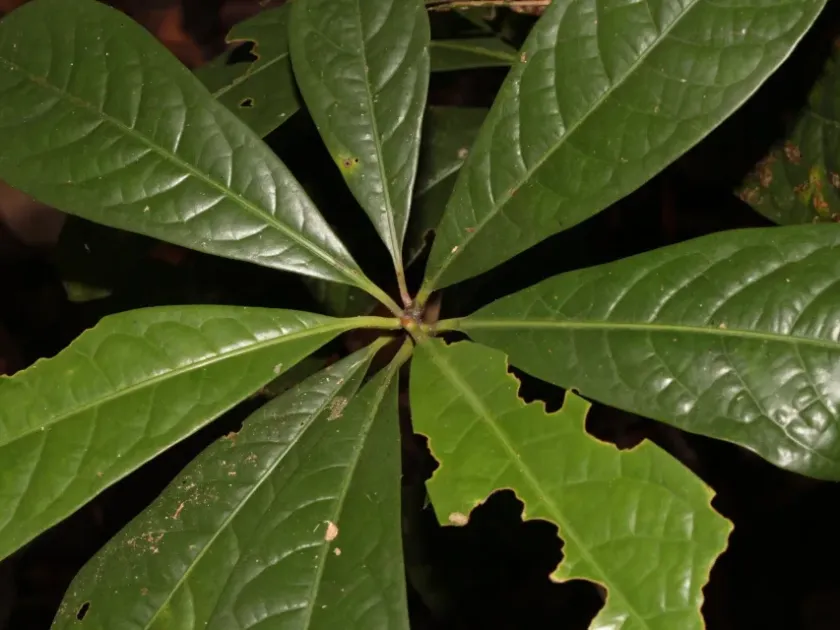
Description
Growing requirements
Alseodaphne bancana is a prominent member of the Lauraceae family, indigenous to the tropical rainforests of Southeast Asia. As a large evergreen tree, it plays a vital ecological role within the complex structure of its native canopy environments.
The species thrives under strict climatic conditions, requiring consistent tropical temperatures and high humidity levels throughout the year. It does not possess adaptations to handle cold snaps or prolonged dry seasons, making it strictly a tropical-zone tree.
Soil requirements for this culture are centered on fertility and efficient drainage. The tree prefers deep, rich soils that allow for extensive root development without the risk of waterlogging, which is a common hazard in rainforest soils.
In terms of forestry management, the establishment of plantations requires precise attention to canopy density. Younger trees benefit significantly from filtered sunlight, which mimics the natural conditions of the forest floor, promoting steady and healthy growth.
Maintenance involves routine site evaluations to ensure that the nutrient balance remains adequate. Because the tree is sensitive to environmental shifts, sustainable cultivation practices are essential to preserve its growth potential and structural integrity.
Harvesting
The primary economic value of Alseodaphne bancana lies in its high-quality timber. It is widely recognized for its durability and aesthetic appeal, making it a desirable material for high-end furniture manufacturing and specialized interior design projects.
The wood exhibits excellent machining qualities, allowing for precise carving and smooth finishing. These properties make it a staple in the luxury woodworking industry, where consistency in grain and structural strength are prioritized.
Sustainable harvesting techniques are strictly implemented to ensure the long-term viability of the species. Forestry operations are typically conducted using selective logging practices, which help maintain the biodiversity of the surrounding ecosystem.
Post-harvest processing involves critical drying stages. Proper seasoning is essential to prevent warping or splitting of the timber, ensuring that the final wood products meet international standards for quality and resilience.
Future prospects for this species include expanding research into its phytochemical profile. Scientific studies into the bark and leaf properties may unveil potential applications in bio-based industries, further increasing the value of this remarkable tropical resource.